
The DND Wizard Class is for the player who enjoys having a clever answer ready. Sometimes that answer is a fireball. Sometimes it is a familiar scouting a passage, a warning about a magical doorway, or a carefully placed spell that gives the Fighter room to work. You do not need to memorise every spell before your first session. You need a small selection you understand and a reason to use each one.
This guide uses the revised 2024 Player’s Handbook rules, now labelled 5.5e on D&D Beyond. The builds use published 2024 options, with a separate note for 2014 characters. Start with our D&D class comparison if you are still choosing your role.
Will you enjoy playing a Wizard?
Choose a Wizard if you like planning, discovering new magic and helping the party solve awkward problems. You can specialise in damage, control or utility without making every spell serve the same purpose. The challenge is deciding which tool matters now, while staying somewhere you can survive the next enemy turn.
Intelligence powers your spellcasting. Constitution helps you survive and maintain concentration; Dexterity helps with defence and initiative. Your small d6 Hit Die and lack of starting armour training make positioning important. The official Wizard rules give the complete class details.
For your first adventure, aim to be dependable rather than omniscient. Before your turn arrives, choose a first option and a backup. “Web if the doorway is still clear; otherwise Magic Missile at the wounded archer” is a useful plan. Spending the whole round searching for a perfect answer usually is not.
Spellbook, prepared spells and slots: three different things
Think of your spellbook as your recipe collection, prepared spells as today’s menu, and spell slots as the fuel available for cooking. The Wizard spell list is the wider catalogue you can learn from; it does not all arrive in your book.
- Spellbook: begin with six level 1 Wizard spells. Add two eligible spells whenever you gain another Wizard level; discoveries can expand it further.
- Prepared spells: choose four from your book at level 1. Use the class table as you advance; change your selection after a Long Rest.
- Slots: spend an appropriate slot when casting normally. Casting a prepared spell does not erase it. Cantrips need no slots.
A level 1 Wizard could prepare Shield, Magic Missile, Mage Armor and Grease. With two level 1 slots, casting Magic Missile twice uses both. Preparing four spells never meant four casts, and you did not need to prepare Magic Missile twice. This distinction is the most useful early lesson in the DND Wizard Class.
Ritual Adept lets you read a ritual spell from your book without preparing it. Ritual casting adds ten minutes and saves the slot. Detect Magic is a good reason to ask whether the party can pause. The official revised Wizard overview explains this feature and the preparation changes.
Keep three separate records: spells in the book, spells currently prepared, and slots remaining. A tick beside a spell should mean only one thing. Give concentration spells and rituals their own small symbols.
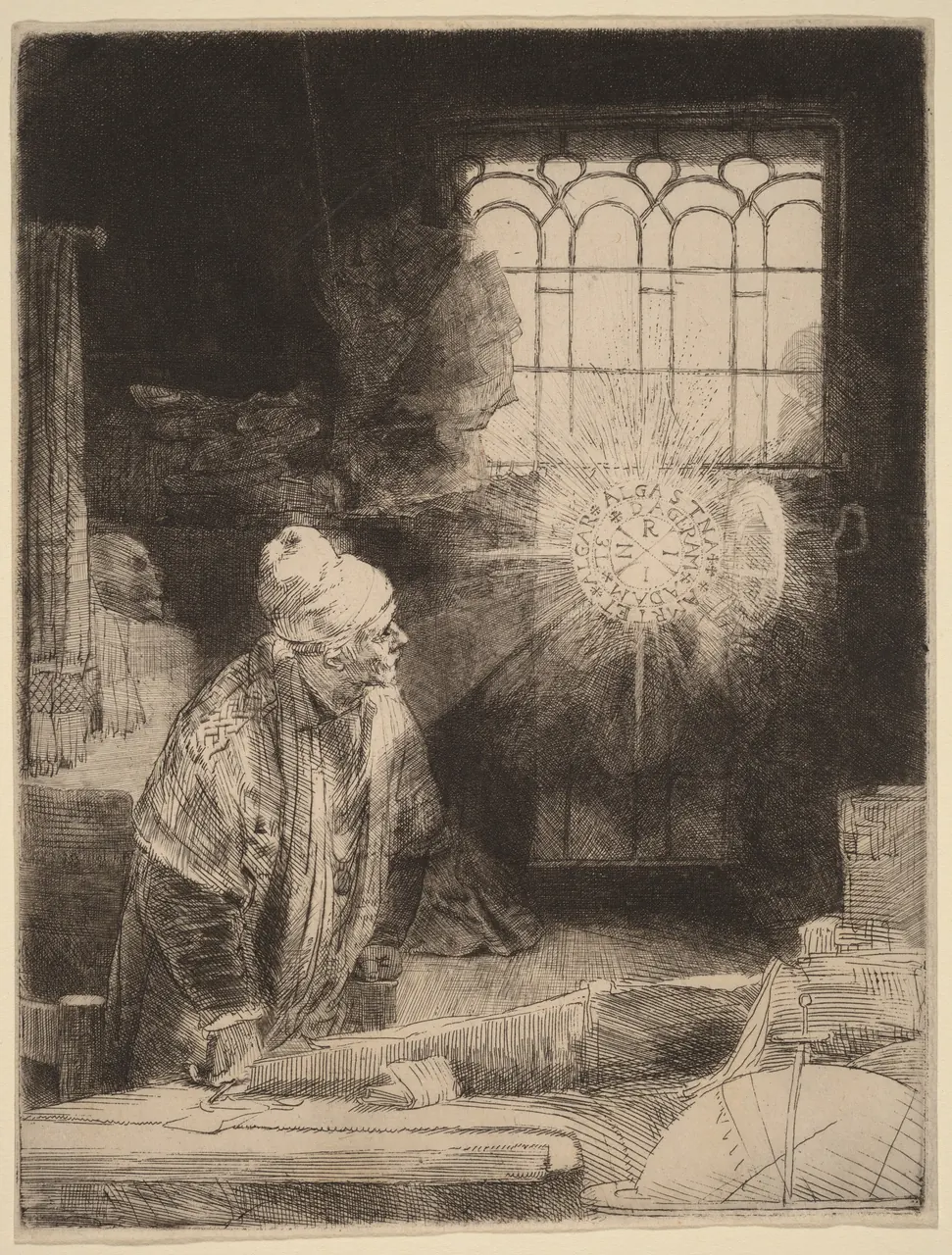
The casting details that prevent frustrating mistakes
Concentration is your attention budget. Starting another concentration effect ends the first. Damage can force a Constitution saving throw to keep it: DC 10 or half the damage, rounded down, whichever is higher, capped at 30. Being Incapacitated also ends it. See the concentration rules.
Once a useful control spell is working, protect it. Moving behind cover or using a cantrip can be better than replacing it with another impressive spell. Tell the party what you are concentrating on so they can help protect the plan.
Components are real requirements: V means audible magic words; S needs the required hand gestures; M means materials. An eligible focus replaces ordinary materials, but not a priced or consumed component. A free hand remains important, including for spells with S but no M. Read the component rules before juggling equipment.
For example, Find Familiar consumes incense worth at least 10 GP. Ritual casting saves a slot, not that incense. Put the supply on your equipment list before introducing your tiny companion.
The revised rules allow only one spell slot spent to cast a spell on a turn. Slot-cast Misty Step plus a cantrip works; slot-cast Misty Step plus slot-cast Fireball does not. A reaction on an enemy’s turn is a different turn. The casting-time rules are worth bookmarking.
A normal Wizard turn, with a worked example
- Find the immediate problem. Is somebody surrounded, is an enemy about to escape, or can you prevent several attacks?
- Check the shape of your answer. Range, sight, friendly creatures, concentration and remaining slots all matter.
- Choose your action and position together. Keep somewhere safe to retreat. Announce the spell and its save or attack clearly.
- Keep a reaction in mind. Decide whether preserving a slot for Shield is worth more than extra damage now.
Imagine a level 3 Wizard with Intelligence 17: spell save DC 13 and spell attacks at +5. Two enemies stand in a stone corridor, while your companions hold the near doorway. You cast Web across the corridor’s floor, leaving the party’s side clear.
The affected area becomes difficult terrain. An enemy starting its turn in the webs makes the spell’s Dexterity save; failure restrains it until the relevant escape conditions apply. Do not announce an immediate save merely because you placed the area over someone. Agree the area with the DM before committing the slot.
On your next turn, the spell is still helping. You step to a safer angle and use a cantrip against an enemy outside the webs. You avoid casually burning the webs with fire. The useful result is the party fighting fewer mobile opponents at once, not a guaranteed victory.
If an enemy then hits you on its turn, Shield can raise your AC by 5, including against that attack, until your next turn starts. Check whether it can actually change the outcome. A reaction, a slot and your concentration are all worth tracking.
Choose spells by the job you need done
A strong preparation list includes a safe ordinary action, a defensive answer, an escape route and something that changes the encounter. Fill the remaining places with the day’s likely problems. Before exploring flooded ruins, ask what helps underwater; before meeting a suspicious patron, ask what helps you investigate without starting a fight.
| Job | Early candidates | Practical question |
|---|---|---|
| Repeatable action | Fire Bolt or another damage cantrip | Can I contribute without spending a slot? |
| Emergency defence | Shield; Feather Fall | What danger am I reserving my reaction for? |
| Battlefield control | Grease; later Web | Does this leave my allies a useful route? |
| Escape and access | Misty Step at Wizard 3 | Where will I stand after using it? |
| Exploration | Detect Magic; Find Familiar | Can we investigate before committing ourselves? |
These are suggestions, not compulsory picks. Read the current spell descriptions, then write a one-line reminder about each spell’s job. Keep a dependable option that does not require concentration so your prepared spells are not competing for the same resource.
Two DND Wizard Class builds with a clear playstyle
Both recipes stay single-classed and use 27-point buy. Before background increases: Strength 8, Dexterity 14, Constitution 15, Intelligence 15, Wisdom 10, Charisma 8. Apply +2 Intelligence and +1 Constitution for 8 / 14 / 16 / 17 / 10 / 8. Both backgrounds below allow those increases. Species is your choice; neither recipe depends on a species trick.
At Wizard 4, take the 2024 War Caster, choosing +1 Intelligence for 18 and gaining advantage on concentration saves. At Wizard 8, take Ability Score Improvement for Intelligence 20. If your table uses different ability generation, adapt the numbers before following the feat plan.
The lantern scholar: Sage Evoker
Pick this for: satisfying damage, helpful research and a straightforward first Wizard. Imagine an archivist who carries a lantern into places the university insists are perfectly safe.
Sage supplies Magic Initiate (Wizard). Choose Intelligence for its casting ability, Light and Mending as its cantrips, and Mage Armor as its level 1 spell. The feat keeps that spell prepared and supplies one slot-free casting per Long Rest; see Magic Initiate.
Your three class cantrips: Fire Bolt, Mage Hand and Minor Illusion. Your six starting book spells: Shield, Magic Missile, Grease, Feather Fall, Detect Magic and Find Familiar. Prepare the first four; the last two support ritual use. Mage Armor comes separately from the feat.
Choose Evoker at level 3. Add Web and Misty Step with that level’s normal additions; Thunderwave and Scorching Ray make legal Evocation Savant additions. Add Fireball and Counterspell normally at level 5, with Lightning Bolt as the new Savant spell. Earlier and intervening additions can cover your campaign’s utility needs. Savant spells join the book; they still need normal preparation.
The important catch: the 2024 Evoker gets Potent Cantrip at 3 and Sculpt Spells at 6. Your level 5 Fireball still needs a safe placement. Sculpt Spells later protects a limited number of visible creatures under its conditions, not every ally from every damaging spell. Check the Evoker features.
The reformed lookout: Criminal Diviner
Pick this for: getting involved early, shaping important moments and contributing outside combat. Perhaps you once planned burglaries and now spot the ambushes your companions miss.
The Criminal background grants Alert. Use the same three class cantrips. Start your book with Mage Armor, Shield, Magic Missile, Grease, Detect Magic and Find Familiar; prepare the first four. Unlike the Sage recipe, Mage Armor uses your normal preparation and casting resources.
At Wizard 3, take Diviner, adding Web and Misty Step normally, plus Detect Thoughts and See Invisibility through Divination Savant. Your signature tool is Portent: record its foretelling rolls after resting and use them at eligible moments before the roll being replaced. It is not a retroactive reroll.
Keep a low Portent result beside the name of a control spell as a reminder to consider it. You still account for the target’s modifiers and defences; a low recorded die is not an automatic failed save. Discuss the intended timing with your DM so your intervention keeps the game moving.
Level milestones and your rest routine
| Wizard level | What to look forward to |
|---|---|
| 1 | Spellcasting, Ritual Adept and Arcane Recovery. |
| 2 | Scholar: Expertise in an eligible proficient knowledge skill. |
| 3 | Your subclass and level 2 spells. |
| 5 | Level 3 spells and Memorize Spell. |
| 9 / 11 | Level 5 / level 6 spells. |
| 18 | Spell Mastery: chosen level 1 and 2 action spells at their base levels without slots. |
| 20 | Signature Spells: two chosen level 3 spells, each with a free casting refreshed by a Short or Long Rest. |
Use the class progression table when levelling. Arcane Recovery restores expended slots after a Short Rest: total slot levels up to half your Wizard level, rounded up; none level 6 or higher. It refreshes on a Long Rest. At Wizard 5, that could recover one level 3 slot.
From level 5, Memorize Spell separately lets you study your book after a Short Rest and exchange one prepared Wizard spell for another. It does not refill slots. Use the pause to review the next obstacle with the party, then update your records before play resumes.
Wizard questions players keep asking
Is Wizard too difficult for a beginner?
No, if choosing spells sounds enjoyable. Begin with an ordinary turn and one emergency response. Read those spells closely, then grow your confidence through play. If you prefer deciding where to move and whom to attack, compare our Fighter class guide.
How many spells can a level 1 Wizard cast?
Your class gives two level 1 slots before recovery, separate from cantrips and eligible rituals. Extra features may provide additional casting. Six book spells and four prepared spells describe your options, not six or four available slots.
Can I cast an unprepared spell as a ritual?
Yes, through Ritual Adept when that spell has the Ritual tag and you read it from your spellbook. Simply finding its name on the Wizard spell list is insufficient. Allow the extra casting time.
What happens if I lose my spellbook?
You retain your prepared spells and cantrips, but lose access to book-dependent options. You can transcribe your prepared Wizard spells into a replacement; recovering the others takes another source. Keep a backup somewhere sensible, and carry a separate focus if your book normally fills that role.
Can a Wizard wear armour?
Yes, with the appropriate training from another feature. Wearing armour without its required training prevents spellcasting. For these builds, start with ordinary clothing and Mage Armor rather than adding a multiclass solely because an armoured Wizard looks appealing.
What is the best Wizard subclass?
Our first-character recommendation is Evoker for a clear damage identity. Diviner suits a player who enjoys watching for decisive moments. Abjurer and Illusionist offer other published 2024 Handbook approaches. The useful choice is the one whose features you will remember and enjoy; these four are not an exhaustive list of every later published option.
How does this differ from a 2014 Wizard?
The older Wizard chooses its subclass at 2 and normally prepares Wizard level plus Intelligence modifier spells. It lacks the revised Scholar and Memorize Spell features, and its Evocation features arrive in a different order. Use the official edition comparison and our 2014 character creator for that campaign.
Put your Wizard on the table
Finish with our character creation walkthrough, build in the 2024 character creator, and keep the Wizard character sheet beside your spell references. The DND Wizard Class rewards a clear record more than a perfect memory.
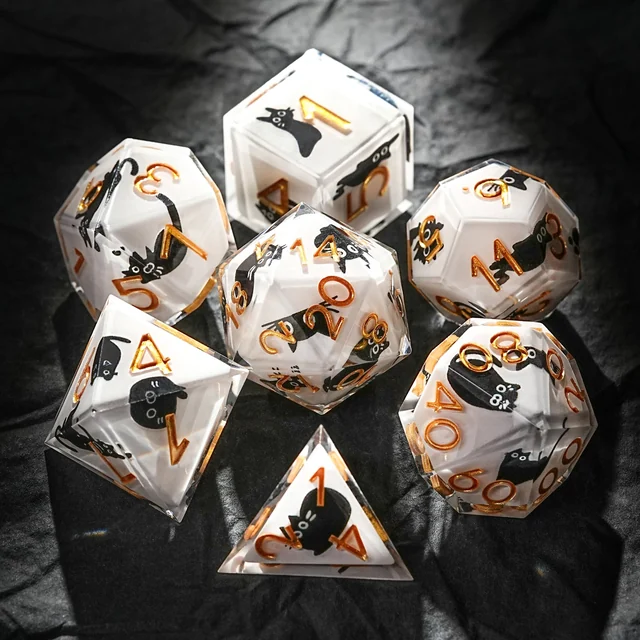
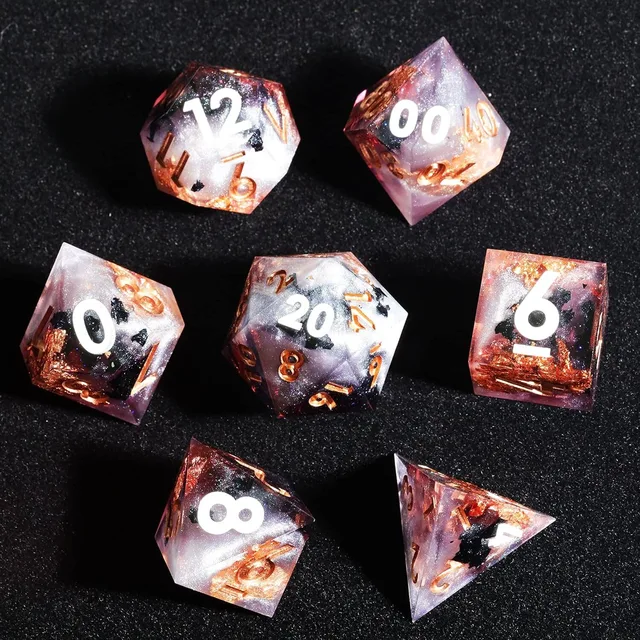
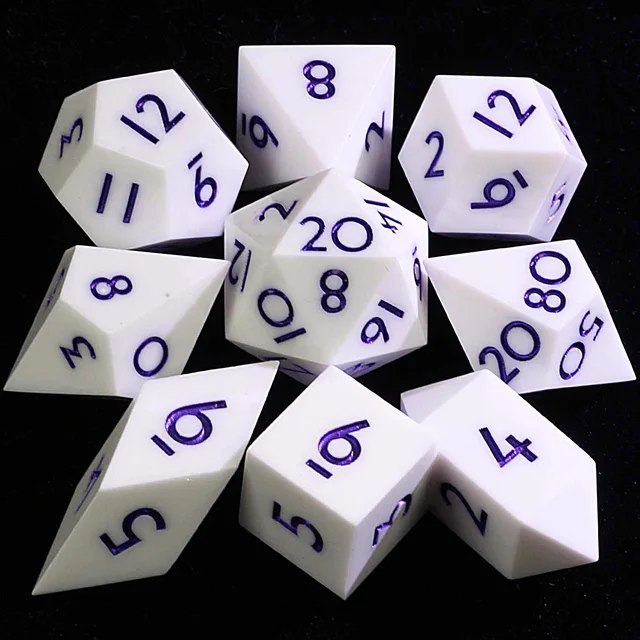
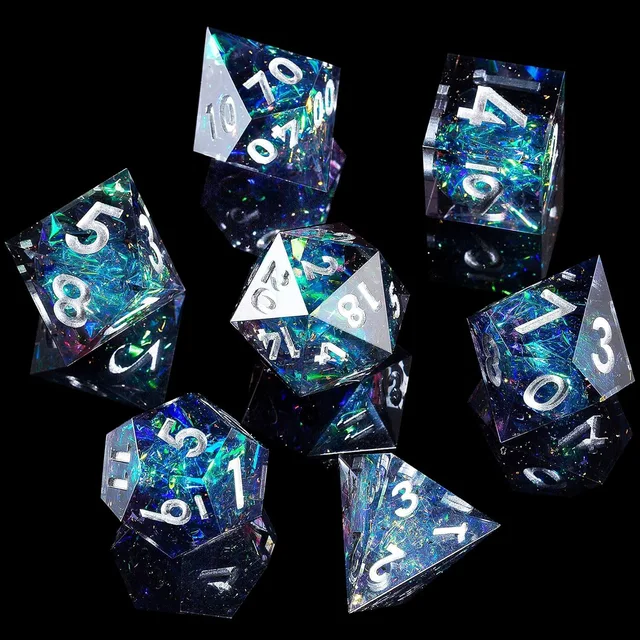
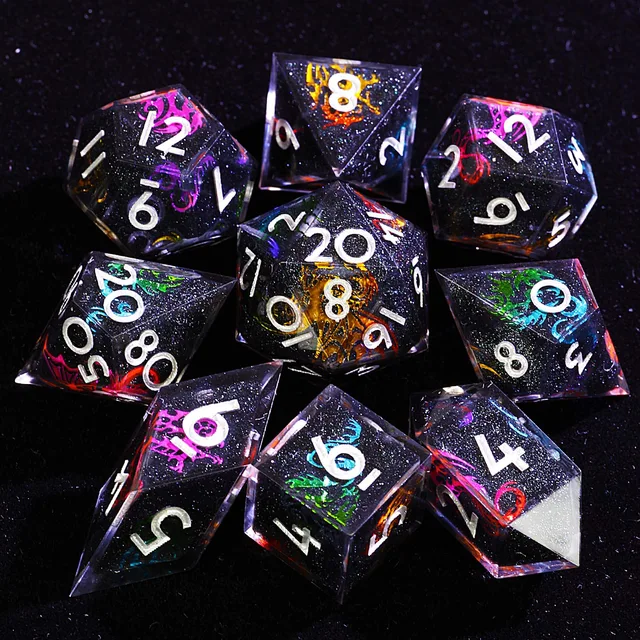
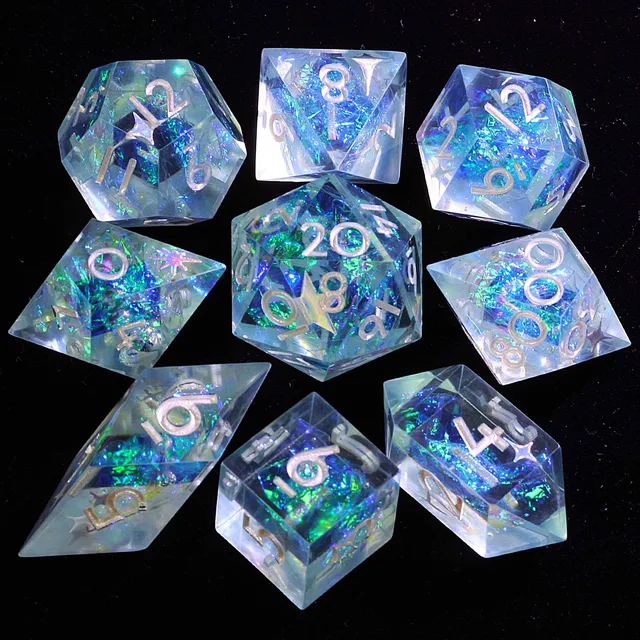
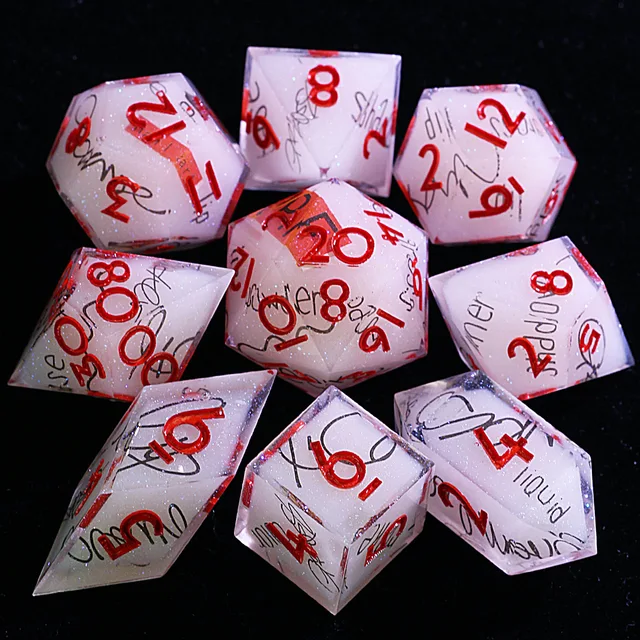
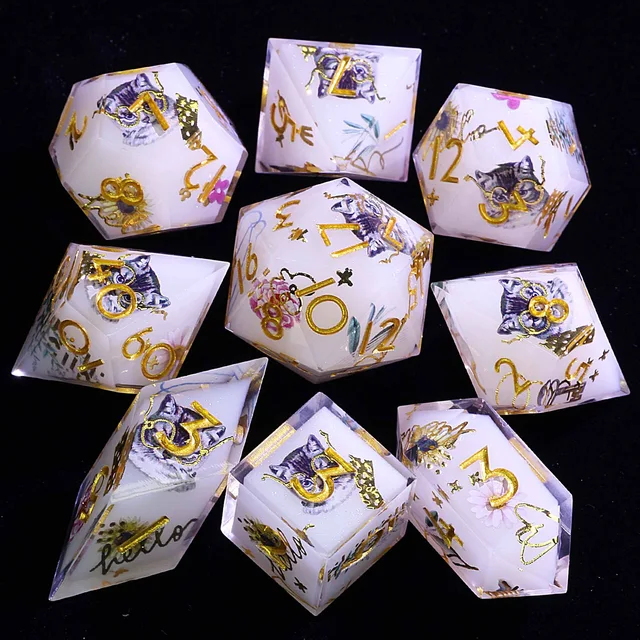
Before each session, check your prepared list, components, recovery use and current concentration. For physical play, a readable d20, a concentration marker and enough damage dice for your favourite spell keep things comfortable. Explore the Wizard dice collection for a set that suits your character, then add extras when play shows you need them.
Rules summaries adapted from SRD 5.2.1 by Wizards of the Coast LLC, under CC BY 4.0. Additional published options are linked where discussed.