
The bridge is coming apart. Your Fighter needs one more hit on the ogre, your Rogue is unconscious across the gap, and there's exactly one spell slot left on your sheet. This is where the DND Cleric Class gets interesting. Can you see the Rogue? Who acts next? Could Channel Divinity help you keep that last spell in reserve?
This guide uses the 2024 tabletop rules. You'll find a first-day spell list, two characters you can build with the Standard Array, and a worked rescue where fifteen points of healing go further than you'd expect. If you're choosing between a Cleric, a Druid and a Paladin, our comparison of D&D classes explains how each feels at the table.
What does a Cleric do?
A Cleric gives everyone else better odds. Bless can turn a near miss into a hit, a shield-bearing Cleric can hold a narrow passage, and an observant priest can tell when an otherwise friendly witness is afraid. You have the flexibility to try all three. Most mornings you can change your prepared spells after a Long Rest, so a choice that worked beautifully in a haunted mine needn't follow you to the royal court.
Wisdom powers your Cleric spells. At level 1, Wisdom 16 gives you a +3 modifier. Add your +2 Proficiency Bonus for a spell attack bonus of +5. Your spell save DC is 8 plus those same bonuses, or 13. With Guiding Bolt, you roll an attack against Armour Class. With Sacred Flame, the target rolls a Dexterity save against your DC. Mark the correct number beside each spell on your Cleric character sheet and you'll rarely need to look it up mid-turn.
Constitution is a strong second investment. It gives you more Hit Points and helps you maintain a spell when you take damage. Dexterity 14 makes good use of most medium armour. Invest in Strength if you particularly want heavier armour or plan to attack with a Strength-based weapon. The official Cleric class table has the progression to level 20.
Your first choice is a Divine Order
All 2024 Clerics start with training in light armour, medium armour and shields. At level 1, Protector adds heavy armour training and Martial weapon proficiency. Choose it if you picture standing beside a companion in a doorway, keeping the enemy away from the more fragile members of your party. You'll still need to acquire the armour, and individual suits can have a Strength requirement for moving at full speed.
Thaumaturge gives you a fourth Cleric cantrip at level 1 and adds a Wisdom-based bonus to Intelligence checks using Arcana or Religion. If your priest uncovers forgeries in temple archives, that's a skill you'll enjoy rolling. With Intelligence 12, Wisdom 16 and proficiency in Religion, your level 1 Religion check is already +6. Your domain arrives at level 3. A scholarly Thaumaturge can serve the War Domain just as readily as a heavily armoured Protector can serve Life.
A spell list you can use on the first night
In the DND Cleric Class, preparing a spell means making it available. A slot pays for one casting. A level 1 Cleric prepares four level 1 spells but has two level 1 slots. If both slots go on Healing Word, the other three prepared spells can stay on the sheet for another day. Cantrips work without slots. Whenever an ability grants an always-prepared spell, record it separately from the number of spells the class table lets you choose.
- Bless is a good opening move when you expect several rounds of fighting. Up to three creatures add a d4 to attack rolls and saving throws while you maintain Concentration. Hand each player a spare d4. The physical reminder does more good than calling across the table after they've missed.
- Healing Word can get a companion at 0 Hit Points back into the fight before their next turn. It takes a Bonus Action and reaches a creature you can see within 60 feet. In the revised rules a level 1 casting restores 2d4 plus your spellcasting ability modifier.
- Guiding Bolt gives you a ranged spell attack. On a hit it also grants Advantage on the next attack roll against that target before the end of your next turn. Your Rogue may have the perfect use for that opening. Check who acts next before you pick the target.
- Detect Magic gives you something useful to do when the swords go away. Prepare it and you can cast it as a ritual when you have ten extra minutes. Tell the party how long the examination takes before everyone starts opening suspicious boxes.
Take Sacred Flame for a repeatable attack, Guidance for a chosen skill, and a third cantrip that suits the adventure. Light earns its place when somebody needs to read a coloured map underground. If you expect a tight formation and can reach your companions, replacing a spell with Cure Wounds gives you a larger touch heal. Read the components, duration and targeting on the official spell descriptions before copying a spell name onto your sheet.
How to spend a turn when everyone wants healing
Start by asking who will act before you get another turn. If your ally at 0 Hit Points acts next, Healing Word may give them an entire turn to help the party. If an enemy still stands over them, work out how the ally will get to safety. A small heal is worth more if a companion can block the pursuit or the newly conscious character can retreat behind cover.
At level 2, Channel Divinity gives you another resource. You begin with two uses, get one spent use back on a Short Rest, and recover all of them on a Long Rest. Use Divine Spark as a Magic action to heal another creature you can see within 30 feet, or turn the spark against an enemy. Turn Undead draws on the same pool. On an expedition into a crypt, leave room for the possibility that the third sarcophagus also has an opinion.
Here's a level 3 Life Cleric facing two fallen friends. Both are within 30 feet. The Fighter has a maximum of 24 Hit Points and the Wizard has 14. Preserve Life lets you divide 15 points between Bloodied creatures, with each recipient capped at half their maximum. Give the Wizard 7 and the Fighter 8. Both wake up, and you've spent one action and one Channel Divinity use. You can keep the spell slot you were saving for the bridge.
Concentration, positioning and Spirit Guardians
Choose one ongoing effect to build your turn around. If you've cast Bless and then cast a different Concentration spell, Bless ends. Taking damage can also break Concentration. Make a Constitution saving throw for each separate source of damage. For an ordinary 12-point hit, the DC is 10. If you're one of your own Bless targets, remember its d4 applies to that save.
At Cleric level 5, Spirit Guardians rewards careful positioning. The 2024 spell creates a 15-foot Emanation around you. Designate the creatures who are unaffected when you cast it. An affected enemy saves when the area enters its space, when it enters the area, or when it ends its turn there. A creature makes this save only once per turn. If you walk past the same skeleton twice on your turn, keep the first result.
Picture a narrow landing with two enemies near the stairs. Walk far enough to catch both in the Emanation, then leave your ally a route out. On your following turn, Dodge may do more than a small weapon attack if it helps you avoid hits and keep the spell running. If an archer controls the landing from beyond your reach, staying behind cover with Bless is a more useful opening. Check the terrain before choosing your Concentration spell.
Which Cleric domain should you choose?
Life suits players who enjoy making limited resources go further. Its domain list keeps staple spells prepared. When you spend a slot on a healing spell, Disciple of Life adds 2 plus the slot's level to the healing a creature receives on the turn you cast it. Light suits someone who likes catching several foes at once and using a Reaction to spoil an enemy attack with Warding Flare. Tell the DM you'll be watching attacks so you get the chance to declare it.
Trickery gives a party another way through a guarded building. Think disguises, misdirection and choosing where an illusory duplicate will be most convincing. War rewards players who enjoy weapon attacks and helping decisive blows land. Talk to the party's Fighter about whether an attack bonus would rescue a crucial miss. Life is in the free rules. Check your table's access to the other domains in the 2024 Player's Handbook. Wizards' Cleric edition comparison covers what changed in all four.

Two DND Cleric Class builds to take to the table
The road warden, a Life Cleric
You're the last person to cross a damaged bridge. People in the next village know the chalk mark you leave when a crossing is safe. Take the 2024 Acolyte background and Protector order. Using the Standard Array, start with Strength 13, Dexterity 10, Constitution 14, Intelligence 8, Wisdom 15 and Charisma 12. Apply +2 Wisdom and +1 Charisma from Acolyte. With Strength 13 you can wear chain mail at full speed once you obtain it. Add a shield for AC 18 in that suit.
Pick Life at level 3. Bless and Cure Wounds now come from your domain, opening space in your prepared list for other jobs. At level 4, the Ability Score Improvement feat can give +1 Wisdom and +1 Charisma, reaching 18 and 14. At level 5 your Cleric save DC is 15. Write “diamond” beside Revivify on the sheet. The domain prepares the spell, but casting it still consumes a diamond worth at least 300 GP. Ask the party whether buying one belongs in the expedition budget.
The lantern archivist, a Light Cleric
You examine old battlefield shrines for the names that official accounts left out. Take Sage and Thaumaturge. Start with Strength 8, Dexterity 14, Constitution 13, Intelligence 12, Wisdom 15 and Charisma 10. Use the Sage increases for +2 Constitution and +1 Wisdom. Scale mail plus a shield gives AC 18 with that Dexterity. Take Religion proficiency from your class choices and use your background's Arcana proficiency when an inscription turns out to be a magical diagram. Both benefit from Thaumaturge.
Choose Light at level 3 and add +2 Wisdom at level 4 to reach 18. Your opening position is one move behind the front line, close enough to help companions with Warding Flare. In a packed fight, use Radiance of the Dawn while keeping an existing Bless going. Outside combat, your Sage's Magic Initiate (Wizard) can give you Mage Hand to lift a fragile document out of a flooded niche. The background rules list the skills and Origin feats for both builds.
What changes at a 2014 table?
The 2014 Cleric chooses a domain at level 1. Its daily preparation count depends on Wisdom modifier plus Cleric level, with a minimum of one. The 2024 version gets its domain at level 3 and uses the prepared-spells column on the class table. Healing Word and Cure Wounds also have different healing dice across editions. A spell card that reads 1d4 for a first-level Healing Word belongs with the older rules.
Use the 2014 character creator for that table, or build these examples in the 2024 character creator with the options your group allows. The character-building walkthrough can help you through ability scores and starting equipment.
Frequently asked Cleric questions
Can I cast another spell after Healing Word?
In 2024 you may spend only one spell slot to cast a spell on your turn. Healing Word with a slot followed by Sacred Flame with your action works. Healing Word with a slot followed by Cure Wounds using a second slot doesn't. Channel Divinity is another possible use for your action. The spellcasting rules explain the limit and how casting without a slot works.
Can I use Spiritual Weapon and Spirit Guardians together?
In 2024 both ordinarily require Concentration. A level 6 War Cleric has a way to combine them. War God's Blessing can spend Channel Divinity to cast Spiritual Weapon without Concentration for up to a minute, leaving you free to maintain Spirit Guardians. In 2014 Spiritual Weapon didn't require Concentration for any Cleric.
Do I have to choose a god before I can play?
The 2024 class can receive its gift from a god, a pantheon or another immortal being. Ask your DM which sources of divine magic fit the setting. Starting with a duty often produces a better conversation than choosing from a list of unfamiliar names. “I carry the names of people who died far from home” gives the DM a reason to introduce a temple, a rite or an NPC who needs your help.
How do I play a Cleric when nobody needs healing?
Ask what will end the encounter sooner or help someone reach the objective. A saving-throw cantrip can threaten a heavily armoured enemy. Detect Magic can identify which chest warrants a closer look. Even an ordinary action to drag a loose beam across a doorway can buy the Wizard time to finish the rescue.
A checklist for the next session
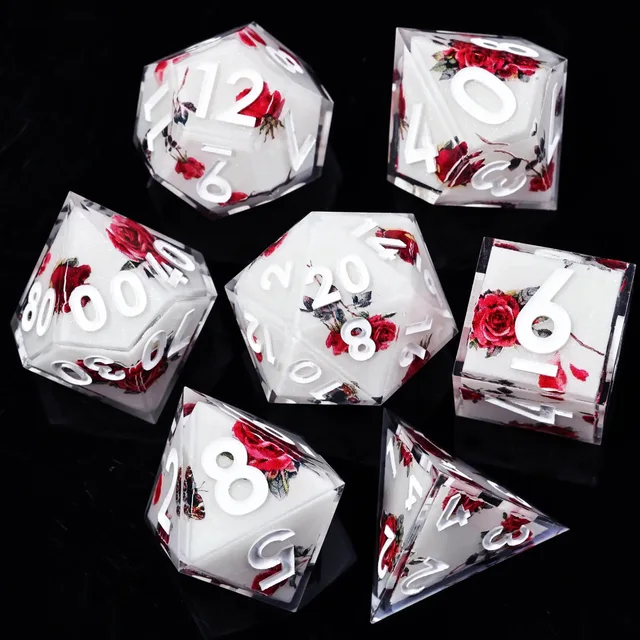
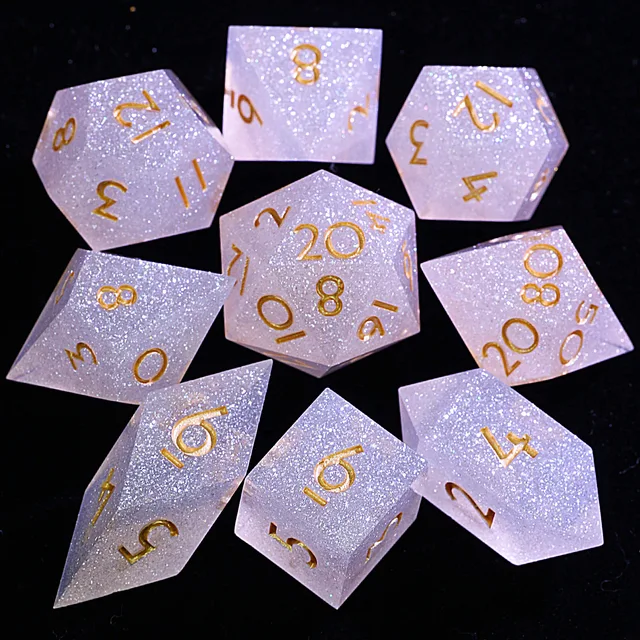
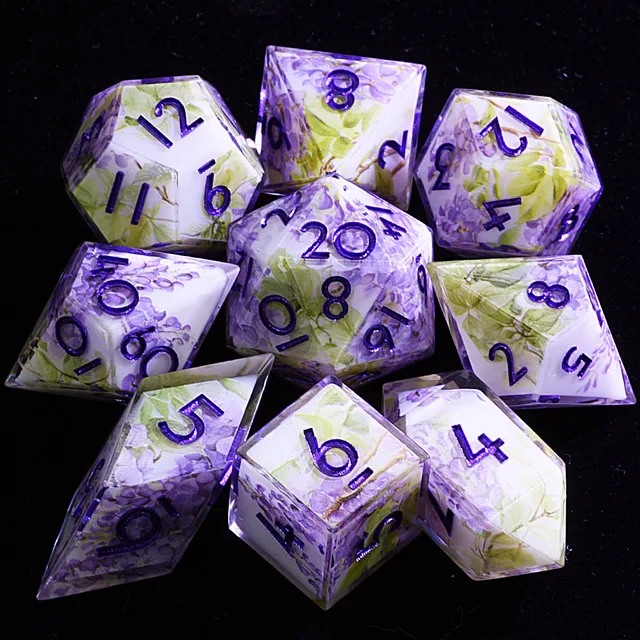
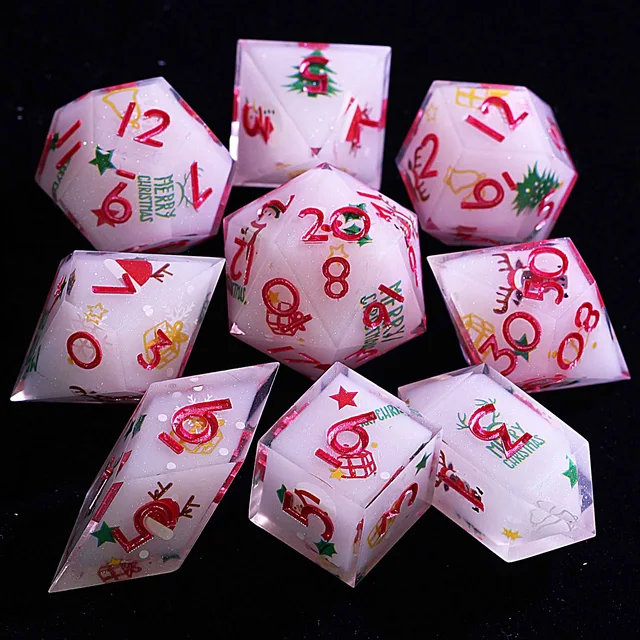
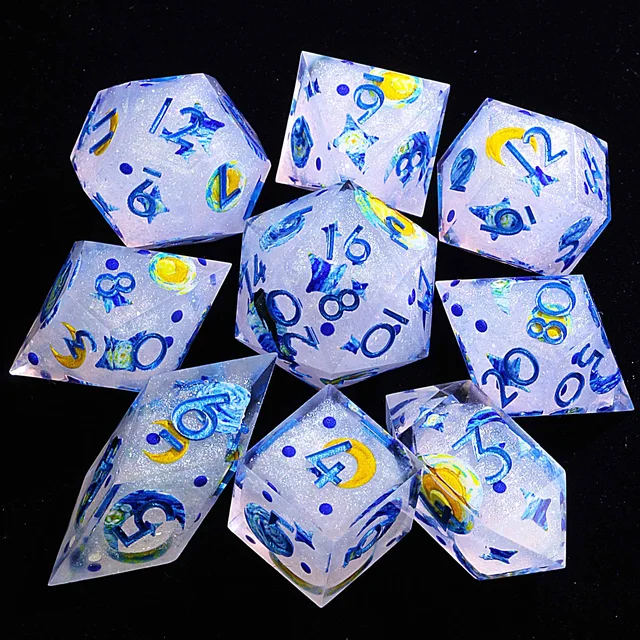
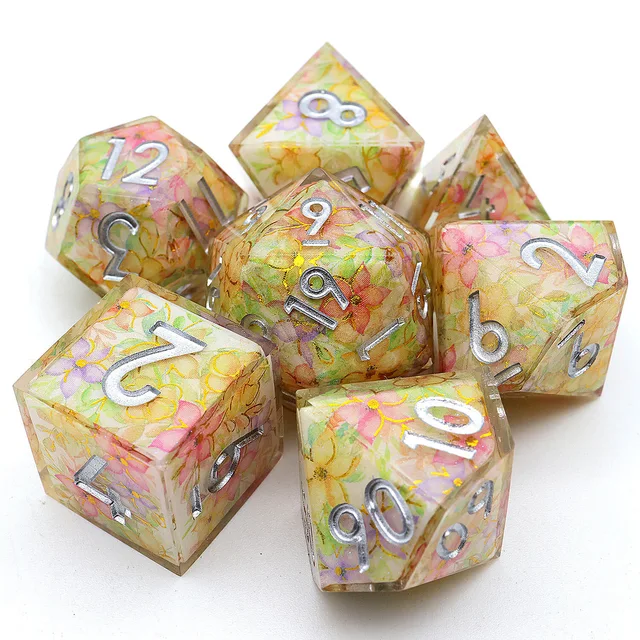
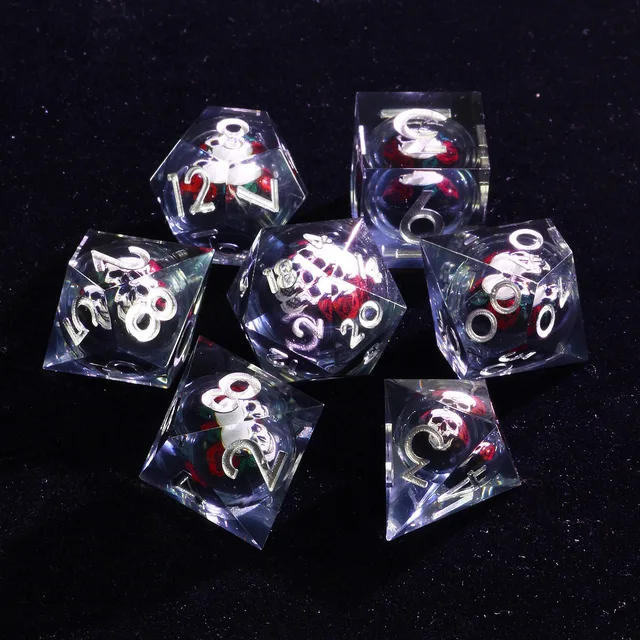
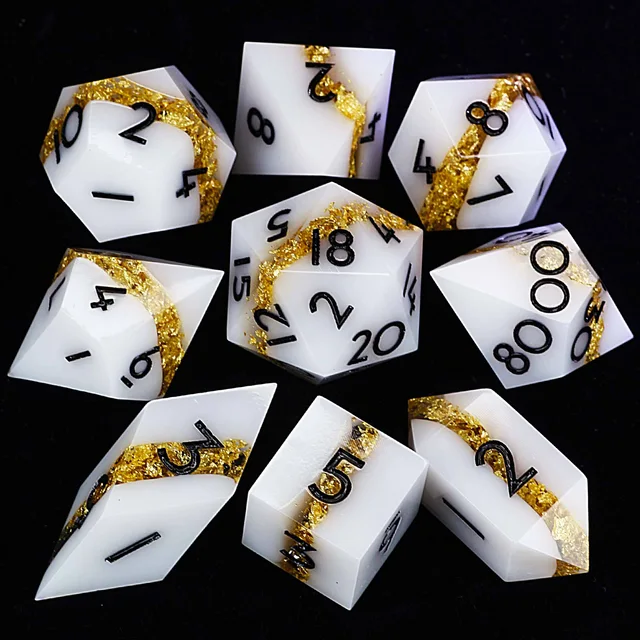
For your first DND Cleric Class session, write three names on the margin of your sheet. Who usually gets your opening Bless? Who can cover you if you need to move into healing range? Who carries the diamond? If you'd like a spare d4 to hand to a blessed friend, browse the Cleric dice collection below.
- After a Long Rest, leave your domain spells on the sheet while changing your other prepared choices.
- Before combat, put a token beside the spell you're concentrating on. Move it if you cast something that takes its place.
- At level 7, check what you actually rolled in your last few encounters before choosing Blessed Strikes. Frequent weapon hits point toward Divine Strike. If you usually dealt damage with a Cleric cantrip, Potent Spellcasting adds your Wisdom modifier to that damage.
This guide includes material from the System Reference Document 5.2.1 by Wizards of the Coast LLC. Rules summaries are adapted under CC BY 4.0. Consult the official SRD for the source text.