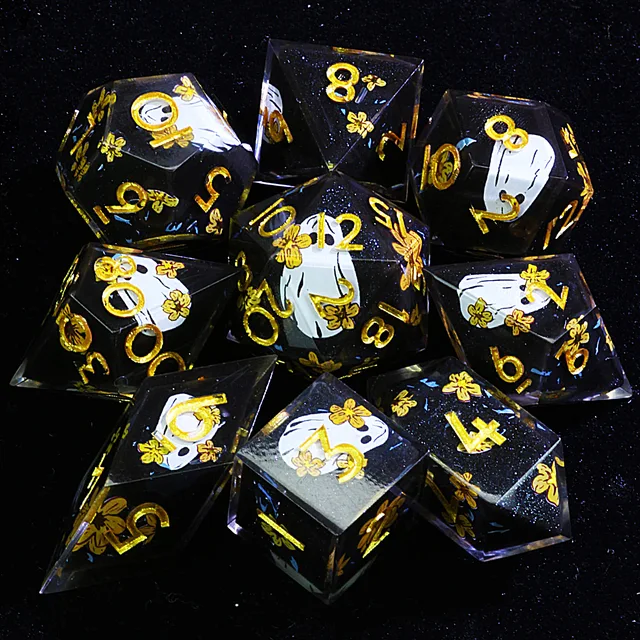

A ghost stands in the courthouse doorway. The witness you promised to protect is behind you, and the Fighter on your left has just hit the floor. You could smite the ghost. You could also get your friend back on their feet, swing twice and end the turn between the ghost and the witness. The pleasure of the DND Paladin Class is having all those choices on one character sheet.
This guide uses the released 2024 tabletop rules. It follows two single-class Paladins through level 6 and gives you a round to play out with either one. If you're deciding whether to pick up a holy symbol or a second sword, our D&D class comparison puts the Paladin alongside the other front-line and support classes.
Start with a promise you can actually play
Finish this sentence in your character's voice: “I gave my word to someone when…” A promise to get one witness home can shape a whole evening. It tells you whose name to ask for at the city gate, where to sit at supper, and why you might bargain with the only ferryman who knows the safe crossing.
On the map, look for a position that helps two people at once. A doorway lets you reach a companion with Lay On Hands and gives the enemy a reason to stay near you. Your armour makes you hard to hit, but the monster can walk around you in an open field. Give it a reason to care about your square. Ask a companion to take the far end of a narrow bridge or to move the person you're protecting while you hold the near end.
Choose Paladin if you enjoy that work as much as rolling damage. A Fighter suits someone who wants to concentrate on weapon techniques. A Cleric has room for a much broader spellcasting repertoire. Paladins with an enemy on a distant rooftop feel the limits of their reach. A few javelins help.
Make your first Paladin character sheet
Strength governs the attack and damage rolls for a typical sword-wielding Paladin. Charisma powers spellcasting and, eventually, one of the party's best saving throw bonuses. Constitution gives you more Hit Points and helps you hold concentration through a hit. Follow our character creation walkthrough, then fill in the two boxes that will matter immediately: weapon attack bonus and spell save DC.
For a level 1 character with Strength 16 and Charisma 14, a proficient longsword attack is +5 to hit and deals 1d8 + 3 Slashing damage in one hand. A spell that calls for a save uses DC 12: 8 + 2 proficiency + 2 Charisma. The standard class equipment includes chain mail, a shield, a longsword, six javelins and a holy symbol. Chain mail and a donned shield give AC 18. Compare alternate loadouts in the official equipment tables.
At level 1 you can learn the mastery properties of two weapons. Longsword and javelin make an easy pair. With Sap, a longsword hit gives the target Disadvantage on its next attack roll before your next turn starts. That can help the witness even if the ghost decides to attack them. A mastered javelin's Slow can delay a pursuer. You can change your mastery choices after a Long Rest.
When to spend a spell slot and when to keep it
Think of level 1 as a two-spell experiment. Prepare Bless and Cure Wounds. Bless takes your action, uses concentration and can help up to three creatures with attack rolls and saves. Use it early when several companions are about to act. Cure Wounds is a touch spell for the moment one person needs a bigger lift. You start with two level 1 spell slots, and finishing a Long Rest restores spent slots. It also lets you swap one prepared spell for another eligible Paladin spell.
Lay On Hands has its own pool, equal to five times your Paladin level. Touch a creature as a Bonus Action to restore as many points as you choose from what's left. At level 2, that might mean giving a fallen ally 4 and keeping 6 for the return trip. Alternatively, spend 5 points to remove the Poisoned condition. Those 5 don't also provide healing. Note the pool separately from your spell slots on your Paladin character sheet.
At level 2, Paladin's Smite keeps Divine Smite prepared and gives you one casting per Long Rest without using a spell slot. The 2024 spell takes a Bonus Action immediately after you hit with a Melee weapon or an Unarmed Strike. A level 1 casting adds 2d8 Radiant damage, plus another 1d8 against a Fiend or Undead. Each higher slot level adds another d8. You get to see the hit before committing, so leave that box blank on a miss. The Divine Smite spell entry is short enough to keep open during your first game.
A useful habit is to name your Bonus Action before you pick up the damage dice. Is someone down within reach? Has the enemy nearly escaped with the evidence? Can a regular hit already finish the job? Healing this turn leaves the free smite for later. Spending a spell slot cannot buy you another Bonus Action.
Choose an oath by the decisions it gives you
The DND Paladin Class gets its subclass at Paladin level 3. You also gain Channel Divinity, with two uses initially. A Short Rest returns one spent use and a Long Rest returns them all. Draw two circles beside your oath feature. If you use Divine Sense to locate an Undead presence before entering a ruin, that spends from the same supply.
- Devotion. Take this for accuracy and reliability. Sacred Weapon lets you use Channel Divinity when taking the Attack action. For up to ten minutes, your chosen melee weapon gains a bonus to its attack rolls based on Charisma and can deal Radiant damage. It sheds light, too. Consider announcing yourself before trying to sneak down the tunnel with it.
- Vengeance. Imagine following the kidnapper through a crowd while everyone else deals with their hired swords. Vow of Enmity gives you Advantage on attack rolls against your chosen foe and activates as part of taking the Attack action. It leaves your Bonus Action available for a smite. Decide with your group what would persuade this knight to accept a surrender.
- Ancients. A knight who tends an orchard or protects the last song of a lost people fits beautifully here. Nature's Wrath can restrain several nearby enemies who fail their saves. That's a way to let people escape a crowded clearing, particularly when a companion would struggle to get past several guards.
- Glory. Peerless Athlete suits a Paladin who volunteers to scale the bell tower or carry a message through broken country. Put that athletic gift to work before initiative is rolled. A climb that opens a gate for everyone can make this knight the hero of the scene.
The publisher's oath comparison covers the revisions. For the complete free Devotion subclass and the progression for levels 1–20, see the Paladin class rules.
Two 2024 Paladin builds to take to the table
The witness escort, an Oath of Devotion shield-bearer
Start with the Noble background. Assign the Standard Array as Strength 14, Dexterity 12, Constitution 13, Intelligence 8, Wisdom 10 and Charisma 15. Use the Noble increases for +1 Strength and +2 Charisma, bringing them to 15 and 17. Noble gives Skilled. Pick Perception, Investigation and Medicine with that feat, and use your Paladin skill choices for Athletics and Insight. Persuasion already comes from Noble.
Take the standard shield and longsword equipment, their companion javelins, and the longsword and javelin masteries. Start with Bless and Cure Wounds. At level 2 choose the Defense Fighting Style, bringing armoured AC to 19 with your shield. At level 3 choose Devotion. Sacred Weapon adds +3 to your longsword attack rolls while active. At level 4 take Ability Score Improvement and split it between Constitution and Charisma. Constitution becomes 14, Charisma becomes 18, and your spell save DC rises to 14 at that level.
At level 5 you can attack twice with your Attack action, and Devotion keeps Aid and Zone of Truth prepared for you. Ask a willing witness about their recollection over breakfast before proposing a magical interview. At level 6, your Aura of Protection gives nearby allies +4 to saving throws. Your usual escort position, just ahead of the person you promised to protect, finally has a number attached to it.
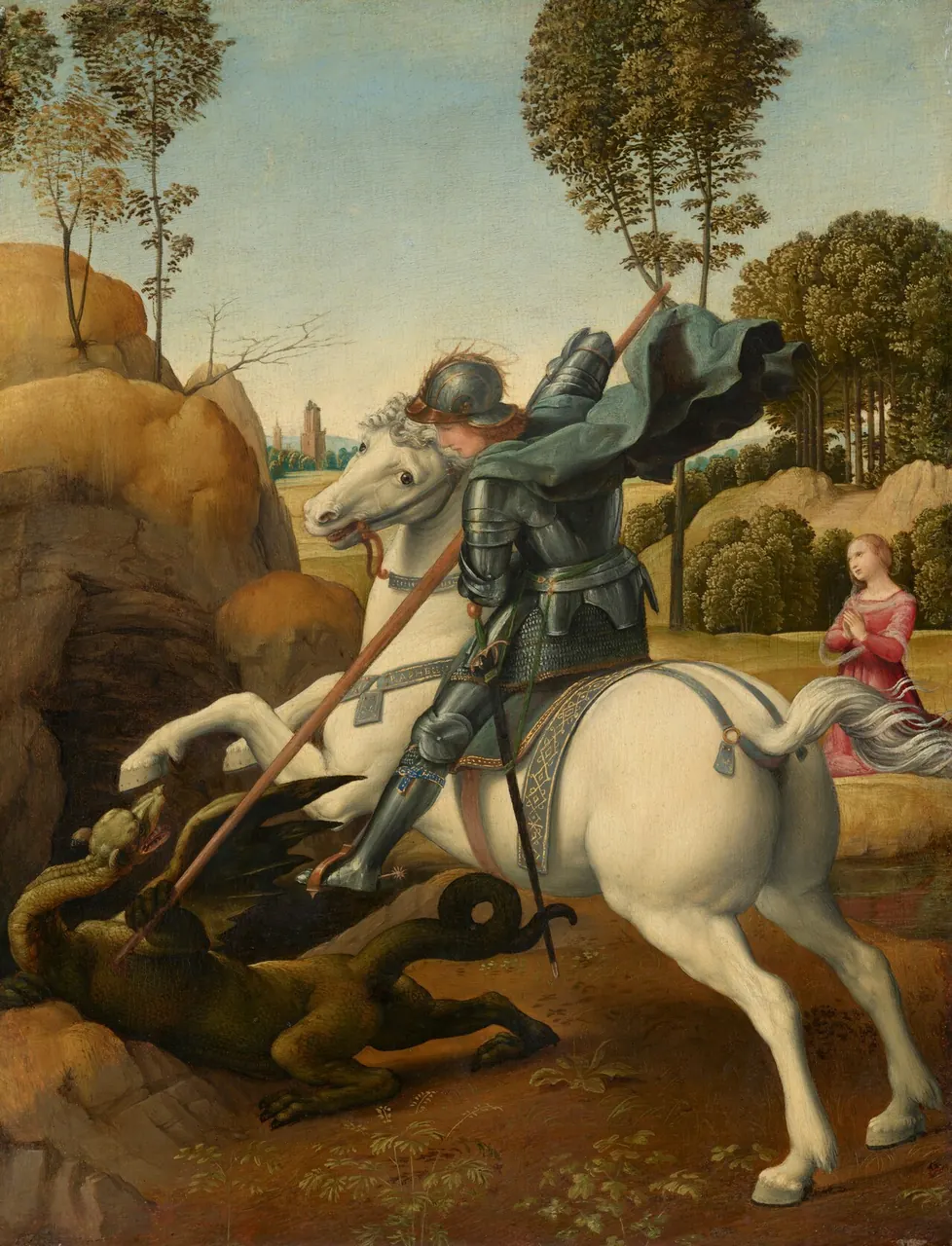
The road warden, an Oath of Vengeance pursuer
For a more aggressive DND Paladin Class build, start with a Soldier who recognises the insignia on the raiders' stolen uniforms. Take Strength 14, Dexterity 10, Constitution 13, Intelligence 8, Wisdom 12 and Charisma 15. Put the Soldier's +2 in Strength and +1 in Constitution for Strength 16 and Constitution 14. Soldier gives the Savage Attacker Origin feat. Choose a greatsword and javelin for Weapon Mastery. With the Paladin's 150 GP starting-gold option, a greatsword costs 50 GP and chain mail costs 75 GP, leaving 25 GP for a holy symbol, javelins and travel gear.
Prepare Bless and Command. Command gives you a way to interfere with someone who is out of sword reach. At level 2, Defense improves your chain-mail AC to 17 while both hands wield the greatsword. At 3 choose Vengeance. At 4 raise Strength by 2 to 18. By 5 your proficient greatsword swings at +7 and hits for 2d6 + 4 before any smite. Graze mastery can still deal your Strength modifier in damage on a miss. That damage won't trigger Divine Smite, which requires a hit.
Faithful Steed arrives at level 5 for both builds, with Find Steed always prepared and one slot-free casting per Long Rest. Plan for where a mount can actually take you. A swift approach across open ground is valuable. In a cramped stairwell the warden might leave the steed outside, sheathe the enormous sword and take a moment to listen at the door. Build either character in the 2024 character creator.
Play one round at the courthouse door
Try this with the level 6 escort. You start beside the fallen Fighter, with the witness ten feet behind you. An Undead opponent is in sword reach. Your shield is already donned. Spend your Bonus Action on Lay On Hands and give the Fighter 6 Hit Points. If the pool was full, mark it down from 30 to 24. The Fighter is conscious again and can take their own turn when initiative reaches them.
Take the Attack action and spend a use of Channel Divinity on Sacred Weapon. Each of your two longsword attacks now has +9 to hit: +2 Strength, +3 proficiency and +4 Charisma. Choose Radiant damage on a hit to get past the ghost’s Slashing resistance. You can stay in place to keep both friends in your aura. If a saving throw comes up before anyone moves, the Fighter and the witness each add +4. Neither gains extra AC from the aura. Your actions this round have cost zero spell slots.
Replay the scene with the Fighter safely on their feet. Now you can keep the Bonus Action for Divine Smite. On an ordinary hit against the Undead, the free level 1 casting adds 3d8 Radiant damage. Both turns make good use of the same character. The difference is what you want the battlefield to look like when the witness acts.
DND Paladin Class FAQ
Can I use Divine Smite twice with Extra Attack or on an opportunity attack?
In 2024, the two attacks give you two chances to land a qualifying hit. You have only one Bonus Action for Divine Smite on your turn. You also can't spend that Bonus Action on somebody else's turn, where most opportunity attacks happen. The 2014 Paladin works differently: its Divine Smite feature expends a spell slot on a melee weapon attack hit without spending a Bonus Action. A 2014 Paladin also begins spellcasting at level 2 and uses an action for Lay on Hands. Select the 2014 character creator for a legacy campaign.
Does Aura of Protection stack if two Paladins stand together?
A creature inside overlapping auras chooses one of them. Use the higher bonus when both are active. Your own aura helps your saving throws too, including the Constitution save to maintain concentration on Bless. The range starts at ten feet at Paladin level 6 and expands to thirty feet at level 18. Being Incapacitated switches it off, so your companion's aura could matter even if yours usually provides the bigger bonus.
Does a Paladin have to worship a god?
Your oath can be enough. Give the DM one tangible sign of what it means to this knight. An escort might return the signet ring of a disgraced prisoner to their daughter, even though there's no one left to enforce the promise. If your campaign ties a knightly order to a particular deity, ask what its members do when their obligations conflict. A hard choice can give your character something to put right in the next session.
When should I keep a spell slot instead of smiting?
Consider who still has a turn. A smite against a dangerous foe can stop its next attack if the damage finishes it. If three allies still have to cross a trapped gallery making saves, keeping Bless available may buy more safety. At level 11 Radiant Strikes already adds 1d8 Radiant damage on qualifying hits without spending a slot or your Bonus Action. Get in the habit of rolling that die separately so you can see what each resource contributed.
The thirty-second Paladin checklist
- Before leaving camp, check your prepared spells, free castings and remaining healing pool. A Short Rest can recover one Channel Divinity use. It doesn't refill that healing pool.
- Before moving, point to the companion who needs your aura or your healing touch. After moving, check the distance again.
- After a hit, decide on your Bonus Action while you still know which attack just landed. At the end of the turn, mark the resource you actually spent.
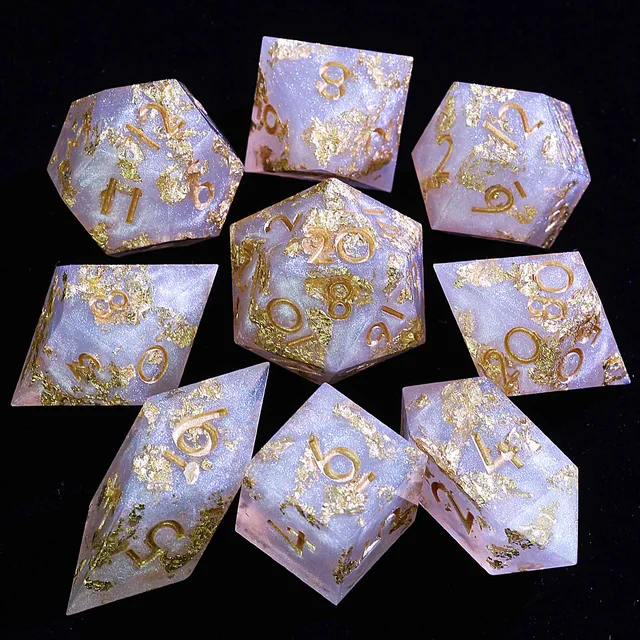
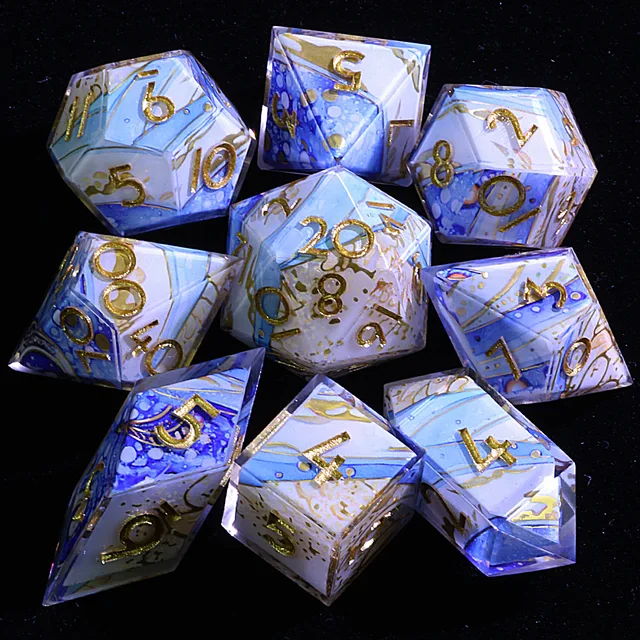
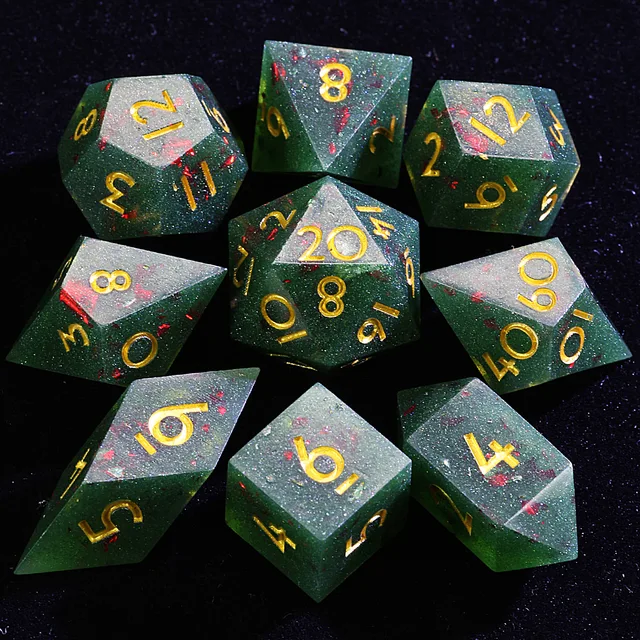
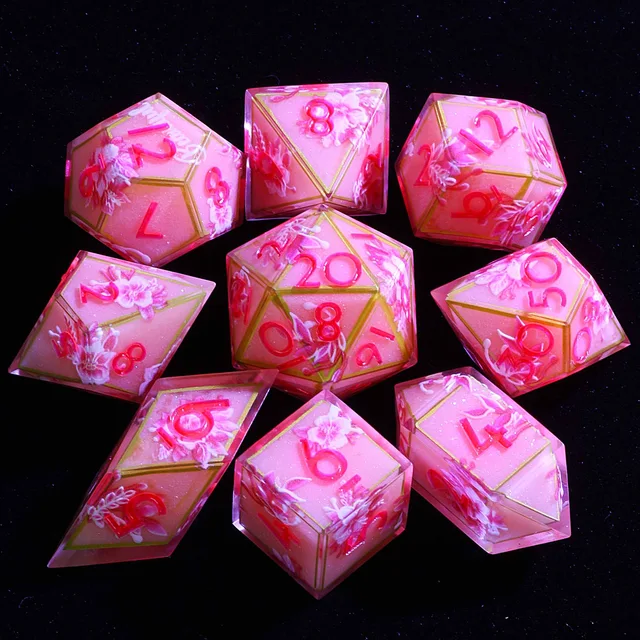
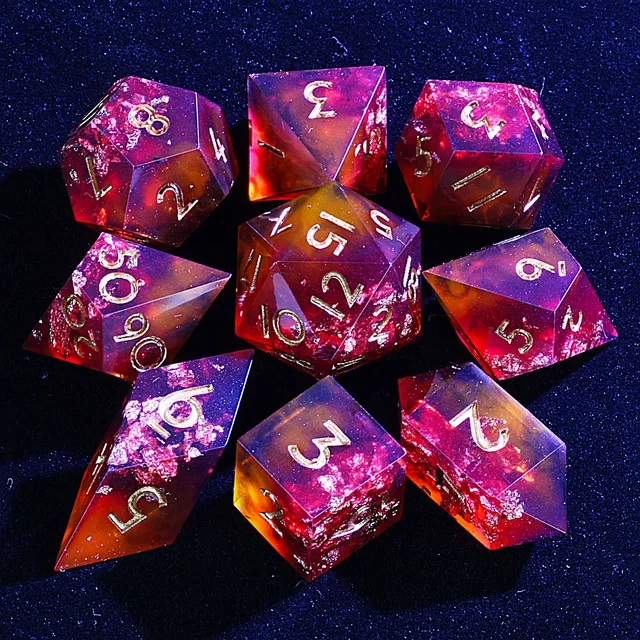
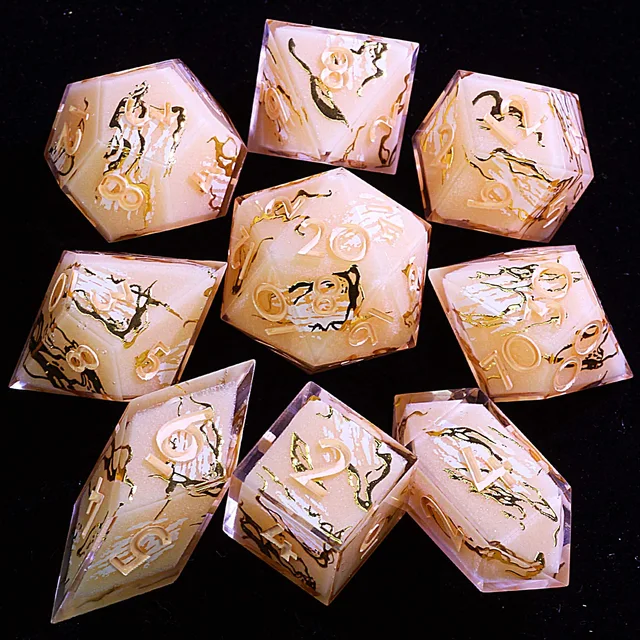
Keep a d4 handy for Bless and set aside a couple of d8s for a smite. If you like giving those dice a colour of their own, browse the Paladin dice collection.
This guide includes material from the System Reference Document 5.2.1 by Wizards of the Coast LLC. Rules summaries are adapted under CC BY 4.0. See the official SRD.