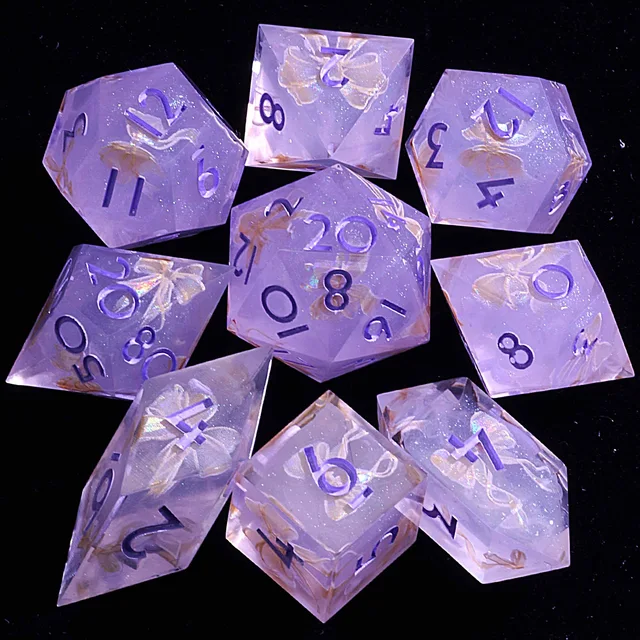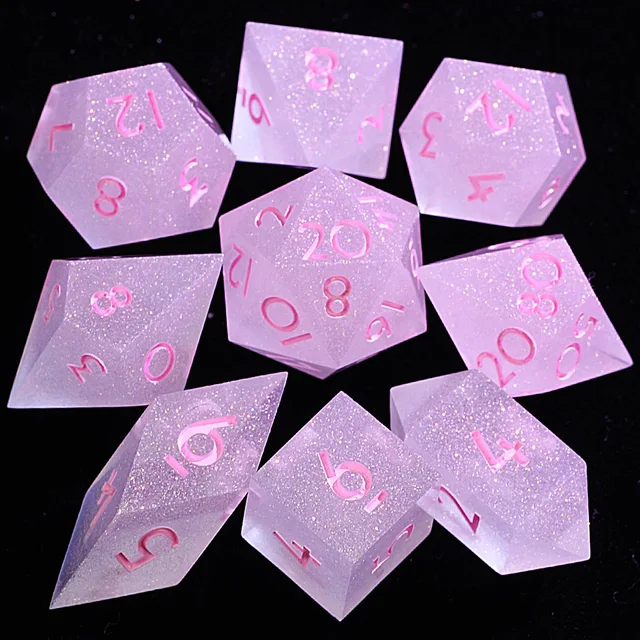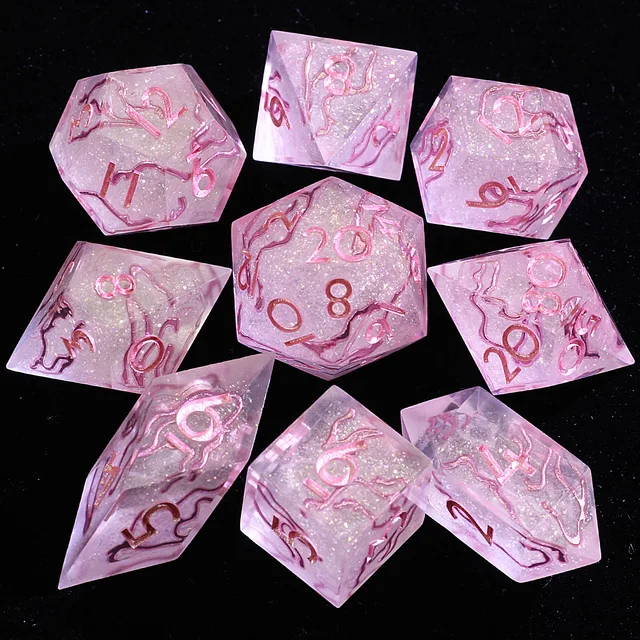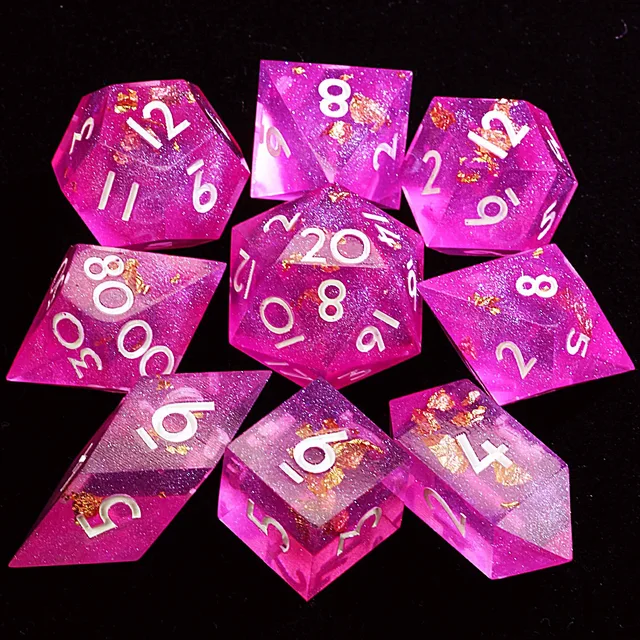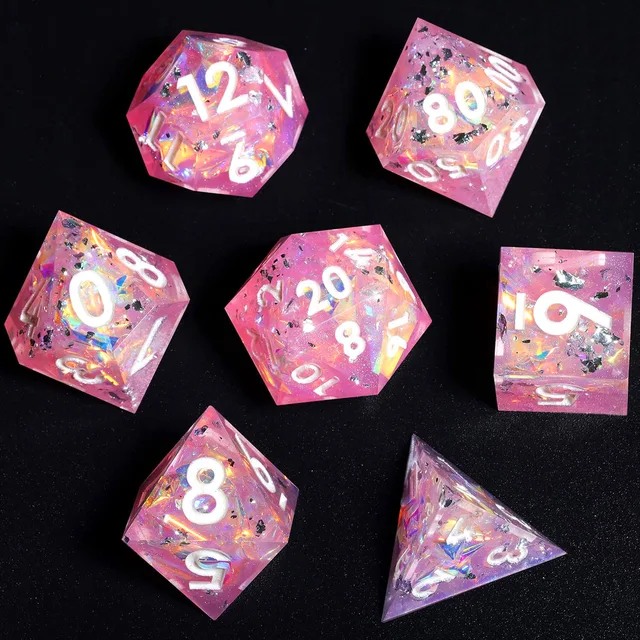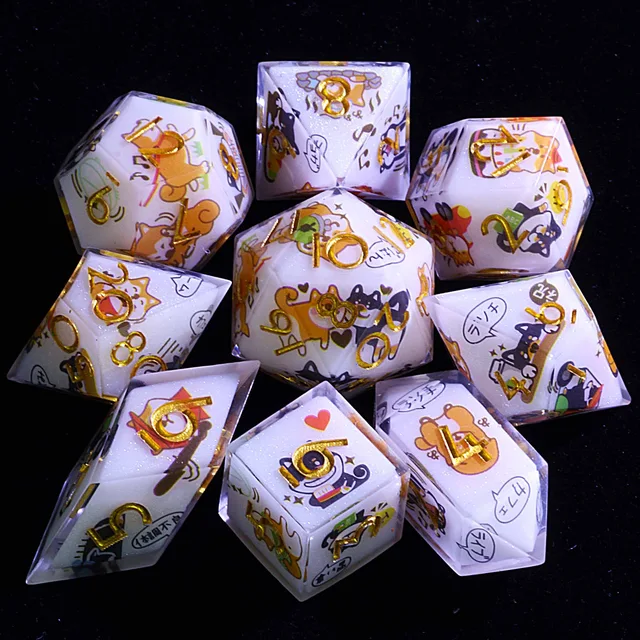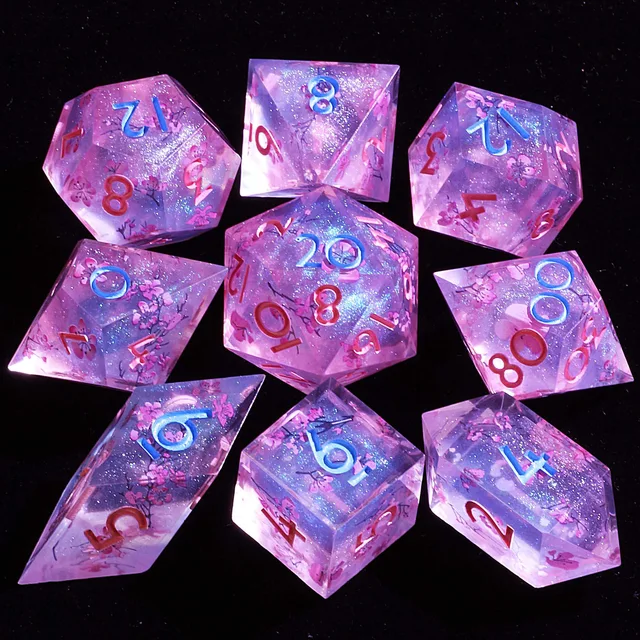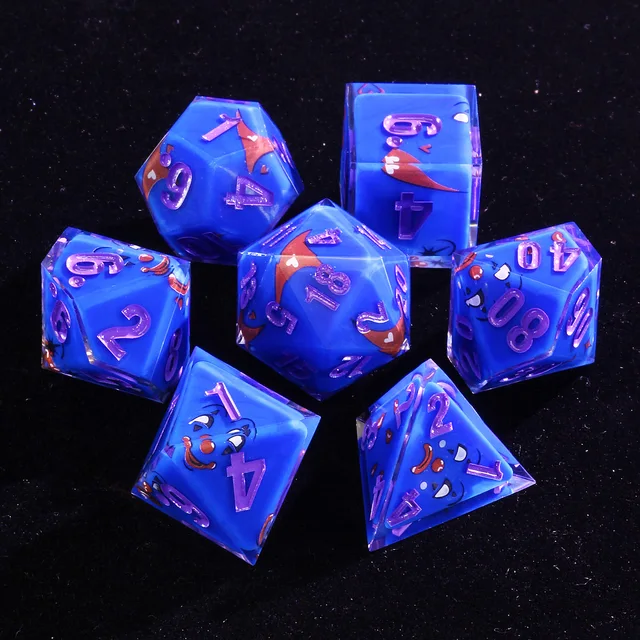

The last act of the floating theatre is going rather too well. The pirate captain has cut the towrope for real, the actor playing the sea serpent is still up the mast, and the audience is cheering. Who gets your last Bardic Inspiration die? The Rogue climbing the rigging has a good claim. So does the Fighter trying to retake the wheel. That choice is the pleasure of the DND Bard Class. You get to notice whose next roll matters and give them a better shot at it.
Here's how to play the Bard in the 2024 tabletop rules, with two builds you can take straight to a game. If your group uses the 2014 Player's Handbook, there's a separate edition comparison below. Still deciding between a Bard and another spellcaster? Our D&D class roundup compares their jobs at the table.
What does a Bard do in an adventuring party?
A Bard is a full spellcaster who can also carry the negotiation, investigate a mystery or help a companion through a bad roll. You get proficiency in three skills of your choice from the class. Pick one you'll want to roll in conversation, one for exploring and one that gives your character a life outside adventuring. A funeral singer with Insight, Perception and Religion already has a reason to recognise the mourner who has turned up at three unrelated burials.
Charisma pays for a great deal. It determines how hard your spells are to resist and how many times you can give Bardic Inspiration. Dexterity helps you act early and use light armour. Constitution keeps you standing and improves the saves you make to maintain Concentration after taking damage. On your Bard character sheet, put your spell save DC somewhere easy to point to. You'll say it aloud more often than you make a spell attack.
The catch is that your best options often compete. You might have three spells that would each be perfect for the same encounter, yet only be able to concentrate on one at a time. You also have a d8 Hit Point Die and start with light armour. Where you stand after casting can matter more than which cantrip you use next. The official Bard class table is handy when you're setting up your first sheet.
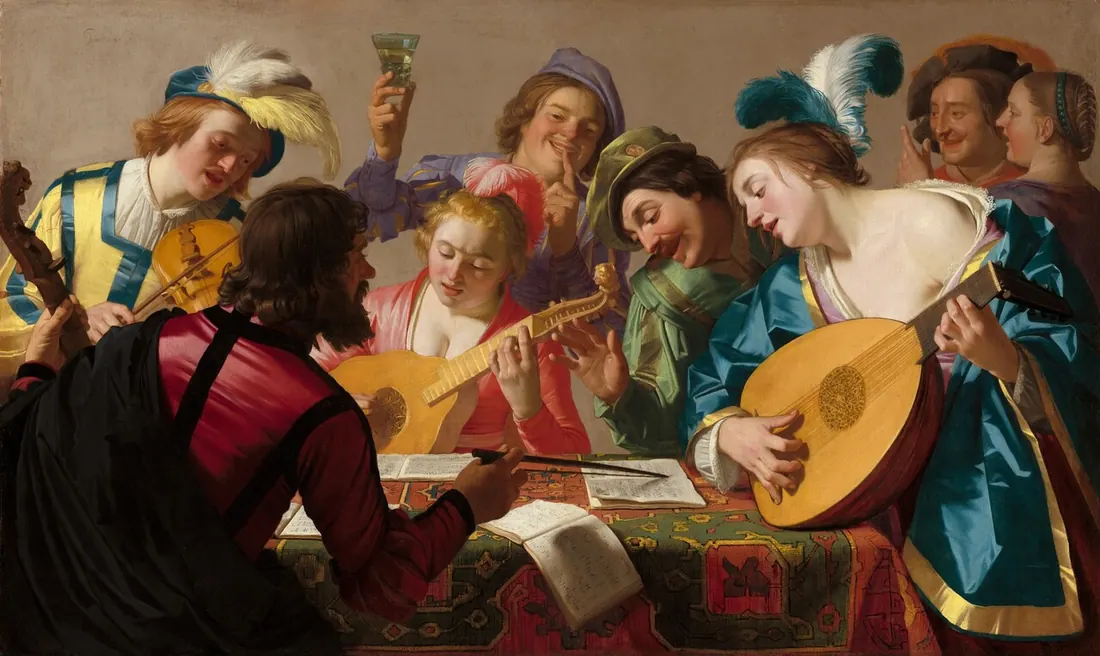
How to use Bardic Inspiration without wasting the die
At level 1, use a Bonus Action to give a d6 to another creature within 60 feet who can see or hear you. For the next hour, that creature can spend it after failing an attack roll, ability check or saving throw. The recipient rolls the extra die and adds it to the failed total. They decide when to spend it. Hand the player a different-coloured die and tell them when it expires.
Suppose the Rogue totals 12 on a DC 15 climb. A 3 or better on the d6 turns that failure into a success. If the Rogue already has the die, they can make that decision immediately. You can't hand it over retroactively when the DM announces the result. A creature can hold only one Bardic Inspiration die, so check who's still carrying a die from the last encounter before distributing another.
With Charisma 16 you have three uses per Long Rest at the start. Give one before a dangerous solo task, where the recipient may shortly be beyond your range. In combat, think about the consequence of the miss. A companion making an ordinary attack can try again next turn. The ally trying to keep the last prisoner aboard a departing ferry has one chance.
At Bard level 5 the die becomes a d8, and a Short Rest refills your uses. Font of Inspiration also lets you trade a spell slot for one expended use without taking an action. Before making that trade, ask what the slot would otherwise do. If the party is about to rest safely, hold onto it. If the next failed save will take a friend out of the encounter, the die might be the better investment.
Build a spell list you can actually use
Start with two cantrips and four level 1 spells. You have two level 1 slots, so having four options means choosing between them during play. For a forgiving first list, try Vicious Mockery and Minor Illusion as cantrips. The former can protect a friend by spoiling an enemy's next attack. The latter gives you a sound or still image for distractions. Tell the DM precisely what the guard hears or sees so they can decide how the guard responds.
- Healing Word lets you get an ally back on their feet at range with a Bonus Action. Giving Inspiration uses that same Bonus Action. Each turn you get to choose one.
- Faerie Fire suits a party that makes plenty of attack rolls. Place its 20-foot cube carefully. Allies in it also make the save, and attackers who can see an outlined target have Advantage against it.
- Dissonant Whispers deals Psychic damage. A target that fails its Wisdom save uses its Reaction, if available, to move away along a safe route. Look at who's standing next to it before casting.
- Detect Magic gives the group something to do when a sealed room is more interesting than a fight. When time permits, ritual casting preserves your slot at the cost of ten extra minutes.
On reaching Bard level 3, pick a level 2 spell for a situation the party actually faces. Suggestion fits an intrigue game if you enjoy framing a request the target can act on. Invisibility helps an ally pass an exposed stretch of ground. Both require Concentration, so read the current spell descriptions before promising two companions help at once.
Which Bard college should you choose?
At Bard level 3, choose the college that gives you the sort of turn you enjoy. Lore suits the player who listens throughout everyone else's turns. Its extra skills widen your reach outside combat. Cutting Words spends your Reaction and one use of Inspiration to reduce a visible creature's successful attack roll, successful ability check or damage roll within 60 feet. You can try to turn a hit into a miss or soften a big blow. Saving throws don't qualify.
Valor suits a storyteller who wants a place on the front line. Medium armour, shields and Martial weapons expand your equipment choices. An ally carrying your Combat Inspiration die can even spend their Reaction to improve their AC against a hit. Glamour is a good fit if you like spotting where everybody ought to stand. Mantle of Inspiration offers allies Temporary Hit Points and a way to reposition. Dance rewards an unarmoured, mobile Bard who wants to fight with footwork and Unarmed Strikes. Pick one moment you'd like to repeat ten sessions from now. That's a better guide than the name on the college door.
Two DND Bard Class builds to take from level 1 to 6
The witness collector, a College of Lore investigator
A bell-ringer knows who pulled the alarm. A laundress saw who changed uniforms. Your job is to find the person nobody thought to ask. Choose the Wayfarer background for Insight, Stealth and Lucky. Assign the Standard Array as Strength 8, Dexterity 13, Constitution 14, Intelligence 10, Wisdom 12 and Charisma 15. With +1 Dexterity and +2 Charisma, you start at 14 Dexterity and 17 Charisma. Choose Persuasion, Investigation and Perception as your Bard skills.
Take the starter spells above. At level 2 give Expertise to Insight and Persuasion. Your Persuasion total is now +7, comprising +3 Charisma and twice your +2 Proficiency Bonus. When an official clams up, let Insight suggest a better question before trying Persuasion. At level 3 take Lore and add Arcana, History and Deception. Choose Invisibility for escorting a witness out of sight. At level 4 take War Caster, raising Charisma to 18. Its Advantage on saves to maintain Concentration makes that escort a little more dependable.
At level 5, learn Hypnotic Pattern for a roomful of pursuers. Warn the party which enemies you hope to leave undisturbed, since damage ends the spell on an affected creature. Your save DC is now 15. At level 6, Lore's Magical Discoveries lets you take two suitable spells from the Cleric, Druid or Wizard lists. Try Counterspell and Pass without Trace. One helps when a hostile caster starts a spell you can see, the other when the whole group has to leave quietly. If another player already loves handling stealth, ask what they wish someone else could cover.
The ferry duelist, a College of Valor defender
You learnt timing by leaping between rocking decks during a travelling show. Take the Entertainer background, which gives Acrobatics, Performance and Musician. Assign Strength 10, Dexterity 15, Constitution 13, Intelligence 8, Wisdom 12 and Charisma 14. Its +1 Dexterity and +2 Charisma bring both to 16. Choose Athletics, Insight and Persuasion as Bard skills. Start with a dagger and light armour. An upgrade to a rapier and shield can wait until you gain Valor's training and can obtain them.
Take Vicious Mockery and Mage Hand. Prepare Healing Word, Dissonant Whispers, Faerie Fire and Feather Fall. The last one has an obvious use when the bridge turns out to be scenery. At level 2, pick Expertise in Acrobatics and Athletics to handle the rigging, even with modest Strength. At level 3 take Valor and add Shatter when you need an area spell that leaves Concentration free. At level 4 use Ability Score Improvement for +2 Dexterity. Your rapier attacks use Dexterity 18 while your spell save DC still uses Charisma 16.
At level 5 a proficient rapier attack is +7 to hit, and your spell save DC is 14. Make that difference work for you. Pick Dispel Magic for problems steel can't solve. At level 6 Valor gives you Extra Attack and lets you replace one attack with an eligible action cantrip. You might fence with one opponent and use Vicious Mockery on another. For a deeper look at choosing a position before attacking, borrow a few ideas from the Fighter guide.
A worked turn on the floating stage
Your level 3 Bard steps out from behind the painted waves. The Rogue is 30 feet away, climbing towards the stranded actor. The Fighter has reached the wheel. Beside it stands a pirate who has used his action but still has his Reaction. First, give the Rogue Bardic Inspiration with your Bonus Action. A nod will do if the Rogue can see you. Then spend a level 1 slot on Dissonant Whispers against the pirate. He fails his Wisdom save and uses his Reaction to retreat by the safest available route.
If that route takes him out of the Fighter's reach, the Fighter can use their own Reaction for an Opportunity Attack, provided they can see him. His movement uses his Reaction, which matters for this trigger. A shove that simply pushes him out of reach would work differently. If he succeeds on the spell save instead, he takes half damage and stays put. The Rogue still has the die. You still have movement to duck behind a barrel. One poor spell result doesn't unravel the whole rescue. For the climber's view of this encounter, see our Rogue guide.
Bard questions that come up at the table
Can a Bard give themselves Bardic Inspiration?
The ordinary level 1 feature gives its die to another creature. Lore Bards eventually get a separate feature, Peerless Skill at level 14, that can spend Inspiration on their own failed ability checks and attack rolls. At early levels, give the die to a friend and use your Expertise to cover your own speciality.
Do I have to sing or carry a lute?
Your character can inspire someone through a gesture, a line of poetry or a few spoken words. You can simply tell the table what your character does. For spellcasting, read the components on the individual spell. A Musical Instrument is an available Bard focus. A component pouch can cover ordinary material components too. A component with a specified cost, or one the spell consumes, needs the actual item. The spellcasting rules explain what your hands and voice need to do.
Can I change all my prepared spells every morning?
A Bard gets their spent spell slots back on a Long Rest. To change your ordinary prepared list, wait until you gain a Bard level. You can then replace one spell you chose, as well as adding choices when your class table calls for more. Keep a pencil mark beside anything that sat unused for a whole adventure.
Does Jack of All Trades improve initiative in 2024?
Ordinary initiative is a Dexterity check without an associated skill. The 2024 feature applies to checks using a skill you lack when your Proficiency Bonus isn't already included. It therefore skips initiative. A Bard who lacks Athletics proficiency can add that half bonus when pulling the ferry ashore with a Strength (Athletics) check.
Playing at a 2014 table and planning higher levels
If you learnt the DND Bard Class under the 2014 rules, the old Inspiration die lasted ten minutes, required the recipient to hear you and had to be committed before learning whether the roll succeeded. Expertise began at level 3. The broader wording of Jack of All Trades could benefit ordinary initiative. Keep the 2014 character creator handy for a legacy game. The publisher's edition comparison covers the transition.
In 2024, Bard level 7 brings Countercharm, a Reaction that can help someone retry a save against being Charmed or Frightened. At 10, Magical Secrets opens the Cleric, Druid and Wizard lists when choosing or replacing qualifying prepared spells. Think about the gap your party has actually encountered before borrowing something flashy. A spell that gets everyone home can earn its place in one evening.
Your first-session checklist
When you finish building your DND Bard Class character, ask another player what they'd like their hero to pull off. Write their answer beside your Inspiration uses. “Get through the portcullis before the guards see me” gives you a much clearer cue than “support the party”.
- Put a spare d6 where another player can pick it up. Mark how many uses refill on your next rest.
- Circle the Bonus Actions on your spell list and mark the spells that require Concentration.
- Write down your spell save DC, two skills you want to use and one question your Bard hopes to answer.
Use the character creation walkthrough to fill any gaps, then put the build together in our 2024 character creator. If you want an easy-to-spot Inspiration die, the Bard dice collection is below.
This guide includes material from the System Reference Document 5.2.1 by Wizards of the Coast LLC, available from the official SRD page. The SRD 5.2.1 is licensed under CC BY 4.0. Rules summaries are paraphrased.