
There are six sets of hoofprints on the causeway and only five horses in the stable. Before anyone draws a sword, the Ranger has a question for the ferryman. “Which way was the tide running when you saw them?” If you like being the person who spots the missing horse, knows how to follow it and still has a plan when it turns out to be a kelpie, the DND Ranger Class is a good fit.
This guide follows the 2024 Player’s Handbook. You’ll find two builds you can take from level 1 to 5, a worked combat turn and a quick way to tell which rules your table uses. The D&D class roundup can help if you’re still choosing between Ranger, Fighter and Druid.
What does a Ranger actually do?
A Ranger combines weapon attacks, practical skills and nature magic. The memorable part is how those jobs overlap. A high Wisdom score makes it easier to notice a broken lock and makes your spells harder to resist. Dexterity helps you sneak close enough to hear a conversation, improves your bow attacks and contributes to your Armour Class. Constitution buys you Hit Points and steadier Concentration when you take damage.
You start with a d10 Hit Point Die, training in light and medium armour and shields, and proficiency in martial weapons. You also choose three Ranger skills. Ask what the others are good at before picking. If the Rogue scouts alone every week, taking Perception and accompanying them gives both players someone to talk to. If the Druid already knows every plant in the marsh, Investigation might give you a distinct role when the trail leads indoors.
Give the DM something they can answer. “I use Survival” leaves a lot unsaid. “Can I tell whether the missing horse was carrying a rider?” invites a clue, a roll or both. Even a failed check can tell the group what to try next. Ask the stablehand about the saddle that’s still hanging on the wall.
How Hunter’s Mark works, and when to leave it off
Favored Enemy gives a 2024 Ranger Hunter’s Mark always prepared. At level 1 you get two castings per Long Rest without spending a spell slot. Use a Bonus Action to mark one creature you can see within 90 feet. While you maintain Concentration, your hits against it with attack rolls deal an extra 1d6 Force damage. You also have Advantage on Wisdom (Perception or Survival) checks to find that particular creature. At its base level, the spell can last up to an hour.
At level 5 you have three free castings. Draw three circles beside the spell on your Ranger character sheet, separate from the boxes for spell slots. Tick one circle when you cast it for free. If the target drops to 0 Hit Points before the spell ends, you can use a Bonus Action to move the mark to another eligible creature. Moving it costs no additional casting. While the original target is still standing, you can’t simply move it to the larger monster that just entered.
The question worth asking is “What do we need to happen this round?” A mark earns its keep against a foe you expect to hit several times. If the party needs to slip six people past a patrol, keeping Pass without Trace active may matter more than your next damage die. Both spells require Concentration. Casting the second ends the first, even if you cast your mark for free. The official spell descriptions give the ranges, durations and components to put on your sheet.
Your first five Ranger levels
- Level 1. Prepare two level 1 Ranger spells in addition to your mark. You have two level 1 spell slots. Choose two weapon kinds for Weapon Mastery. Longbow and shortsword suit a character who prefers distance but occasionally gets cornered. You can change those mastery choices after a Long Rest.
- Level 2. Deft Explorer gives Expertise in one skill you’re already proficient in and two additional languages. Pick a Fighting Style. Archery improves attack rolls with ranged weapons. Defense improves AC while wearing armour. Druidic Warrior is another option if two Druid cantrips appeal more.
- Level 3. Choose your subclass. By this point you’ll know whether you enjoy reading the battlefield, sharing turns with a companion or taking the lead in stranger surroundings.
- Level 4. Pick a feat for which you qualify. Ability Score Improvement is a useful first choice. Going from Dexterity 16 to 18, for example, improves your Dexterity attacks, damage, Initiative and several skills at once.
- Level 5. Extra Attack lets you attack twice with the Attack action on your turn. You also gain level 2 spell slots. Prepare something that changes what the whole party can attempt. Pass without Trace suits a quiet approach, while Spike Growth can make a patch of ground expensive to cross.
When preparing for a new day, you can swap one prepared Ranger spell for another eligible Ranger spell after a Long Rest. Keep a back-pocket choice for tomorrow. If the ferry captain says the search will take place underwater, you’ll be glad you wrote down more options than the six ordinary spells a level 5 Ranger can have prepared. The Ranger class table keeps free marks, prepared spells and slots in separate columns.
Which Ranger subclass matches your table?
Hunter is an excellent first Ranger if you enjoy solving a different problem each session. Hunter’s Lore tells you the Immunities, Resistances and Vulnerabilities of a creature you’ve marked, if it has any. Share that information before the Wizard picks a spell. Hunter’s Prey offers Colossus Slayer for extra damage against an injured foe or Horde Breaker for a chance to attack a second, adjacent foe. You can switch between the two after a Short or Long Rest.
Beast Master gives you a primal companion. Pick the Land, Sea or Sky stat block and describe an animal that suits its form. A marsh hound and a shaggy mountain goat can both use the Land rules. The companion acts during your turn, so keep its card beside yours and decide together where the two figures finish. There’s a real choice between spending a Bonus Action to direct the beast and using that same Bonus Action on a spell.
Fey Wanderer makes a lovely envoy or witness to uncanny bargains. Its social features let Wisdom contribute to Charisma checks. It gives a Ranger who spends heavily on Wisdom something to do when the gatekeeper would much rather talk than fight. Gloom Stalker suits an underground courier or watchkeeper accustomed to darkness. If you remember an extra attack on the first round from an older Gloom Stalker build, use the revised subclass text when filling out the 2024 sheet. Wizards’ edition comparison covers the changes.
Two DND Ranger Class builds from level 1 to 5
The causeway warden, a Hunter archer
Start with the standard array and the 2024 Soldier background. Before background increases, put 15 in Dexterity, 14 in Wisdom, 13 in Strength, 12 in Constitution, 10 in Intelligence and 8 in Charisma. Add 1 to Dexterity and 2 to Constitution for Dexterity 16 and Constitution 14. Soldier supplies Athletics, Intimidation and Savage Attacker. Take Perception, Stealth and Survival from Ranger. Your warden used to count the riders going out on patrol. Now they count how many return.
Take longbow and shortsword mastery, then prepare Goodberry and Cure Wounds. Take Archery and Survival Expertise at level 2. Choose Hunter and Colossus Slayer at level 3. At level 4, use Ability Score Improvement for Dexterity 18. At level 5 your longbow attack bonus is +9 from Dexterity (+4), proficiency (+3) and Archery (+2). Only the Dexterity modifier adds to ordinary longbow damage. Your Wisdom (Survival) checks reach +8 because Expertise doubles the proficiency portion.
The field naturalist, a Beast Master with a marsh hound
Choose the 2024 Guide background. Assign Wisdom 15, Dexterity 14, Constitution 13, Intelligence 12, Strength 10 and Charisma 8. Use the background increases for Wisdom 17 and Dexterity 15. Guide supplies Stealth, Survival and Magic Initiate (Druid). Choose Wisdom for the feat, with Mending, Thorn Whip and Healing Word. For Ranger skills, choose Animal Handling, Investigation and Perception. At the table, repairing the broken buckle on a stranger’s saddle can do more for an interview than another Persuasion roll.
Prepare Longstrider and Speak with Animals as your starting Ranger spells. At level 2 take Defense and give Perception Expertise. At level 3 use Beast of the Land for the hound. At level 4 add 1 each to Wisdom and Dexterity, bringing them to 18 and 16. At level 5 your Ranger spell save DC is 15, your spell attack bonus is +7 and the hound uses that +7 for Beast’s Strike. Keep two figures on the map. Decide which of you will stay with the scholar who hired you.
A worked turn at level 5
The warden’s quarry, an injured troll, is moving toward the ferry winch. On your turn you cast Hunter’s Mark as a Bonus Action and take the Attack action with your longbow. Suppose both attack rolls hit, neither is critical, and no resistance applies. Each arrow deals 1d8 + 4 weapon damage plus 1d6 Force from the mark. Colossus Slayer adds 1d8 to one hit because the troll is already missing Hit Points. On the table that’s three d8s, two d6s and a flat +8 before any optional rerolls.
The longbow’s Slow mastery matters here. On a damaging hit you can reduce the troll’s Speed by 10 feet until the start of your next turn. Two hits with Slow still reduce its Speed by only 10 feet. Tell the DM about the effect immediately. If the troll falls just short of the winch, the ferryman gets a chance to cut the line. That can change the encounter more than the damage total. The weapons and mastery table lists the properties for your other choices.
DND Ranger Class FAQ
Can I use Hunter’s Mark and command my beast on the same turn?
Yes, by paying for the command differently. A level 5 Beast Master can spend their Bonus Action on the mark and give up one attack from their Attack action to command Beast’s Strike. That leaves one attack for the Ranger. On a later turn with the mark already running, use the Bonus Action to command the beast and make both Ranger attacks. At this level the companion’s hit doesn’t trigger the extra damage for your hit. Without a command, the beast normally takes the Dodge action.
My marked target dropped. Must I transfer the spell immediately?
No. Keep Concentration and watch the remaining duration. Once your marked target reaches 0 Hit Points, the spell lets you take a Bonus Action to mark a new creature you can see within range. If the next suitable target appears next round, you can use that round’s Bonus Action. A target that merely runs away hasn’t met the condition. That’s when the Advantage on checks to find it may come in handy.
What gets better after level 5?
Roving at level 6 increases your Speed by 10 feet while you aren’t wearing Heavy armour, and gives you Climb and Swim Speeds equal to your Speed. At level 9, choose two more skill proficiencies for Expertise. Level 13 makes damage unable to break your Concentration on Hunter’s Mark, though casting another Concentration spell still ends it. By level 17 you have Advantage on attacks against your marked target, and at level 20 the mark’s damage die increases to a d10.
Can I use the same starting sheet for a 2014 Ranger?
Choose the edition before you copy the features. The original 2014 Ranger chooses a creature type or certain humanoids for Favored Enemy and a terrain for Natural Explorer. Spellcasting starts at level 2, with spells known and the option to replace one when gaining a Ranger level. The 2024 version starts casting at level 1 and prepares spells. Both get Extra Attack at Ranger level 5. Compare the 2014 Ranger rules or use the 2014 character creator for an original-rules campaign.
Take your Ranger to the table
To finish your DND Ranger Class sheet, give yourself three reminders you can read at a glance. Write your best tracking skill beside your marching position. Put the mark’s damage die beside your weapon and its free castings beside your spells. If you have a companion, write its usual command on a card and give the hound a name the rest of the party will remember.
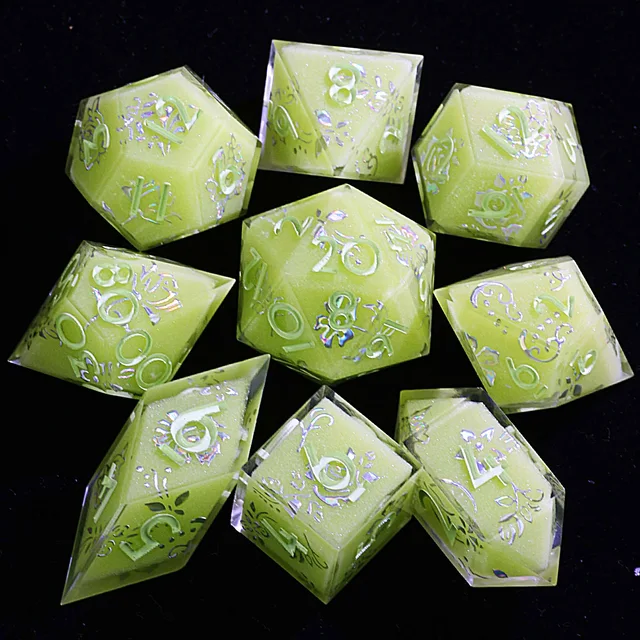
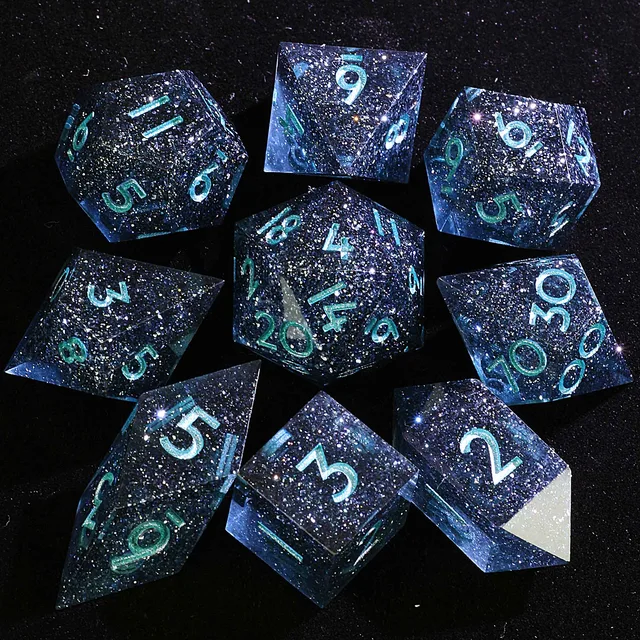
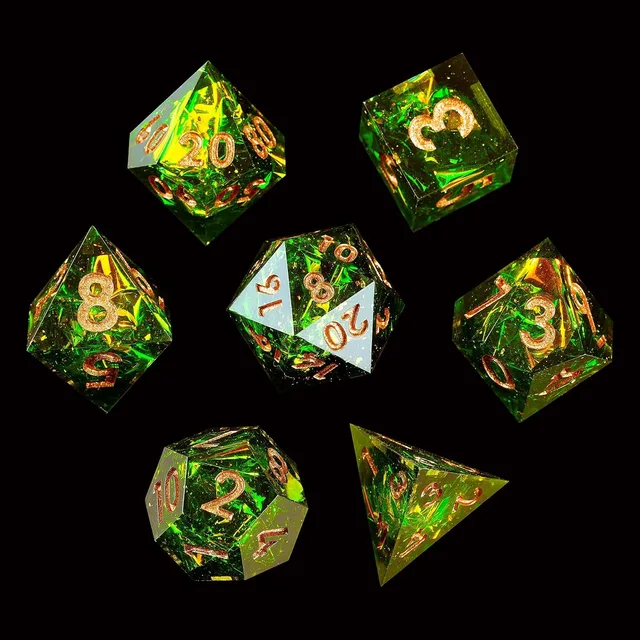
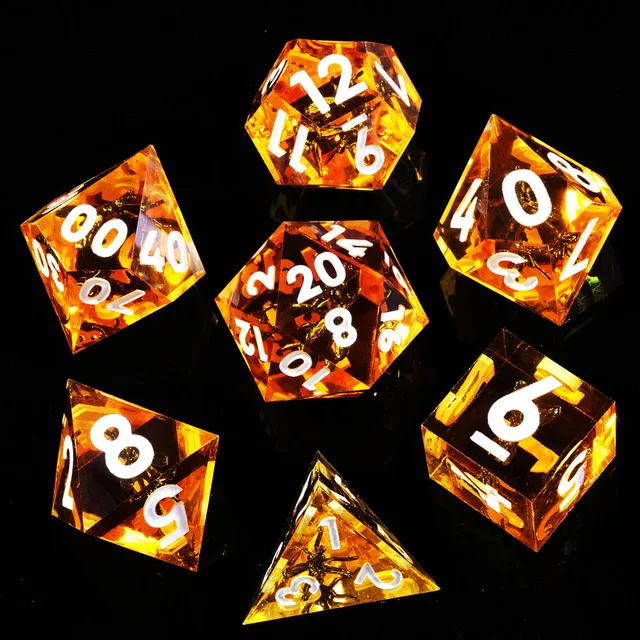
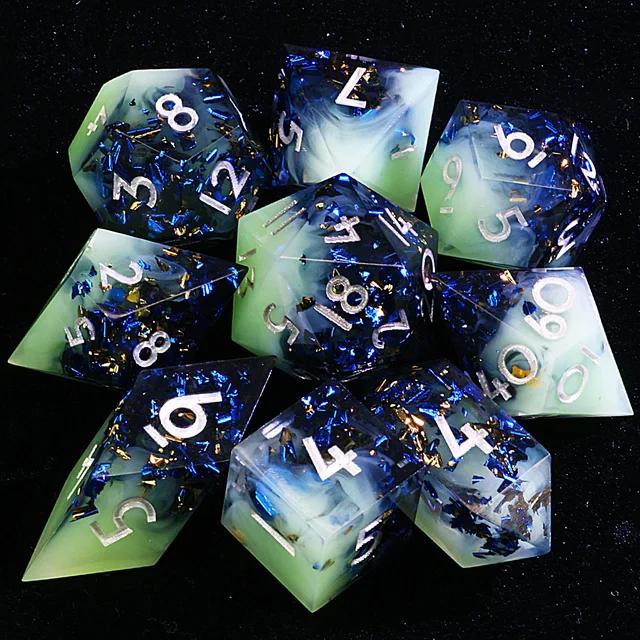
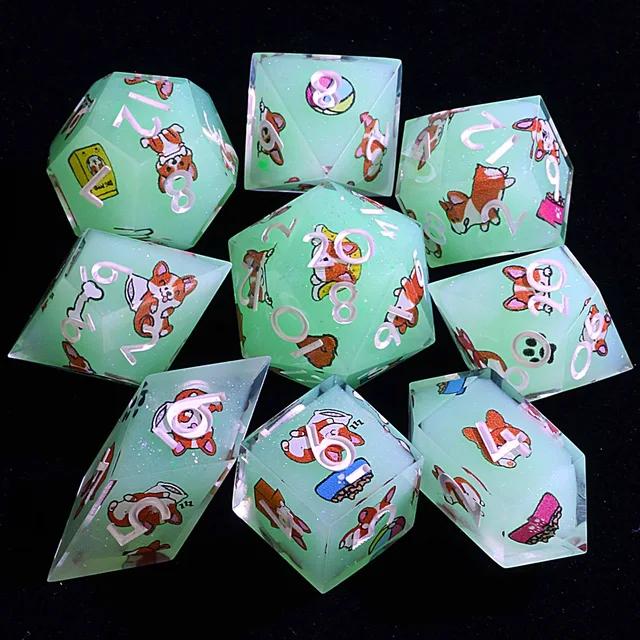
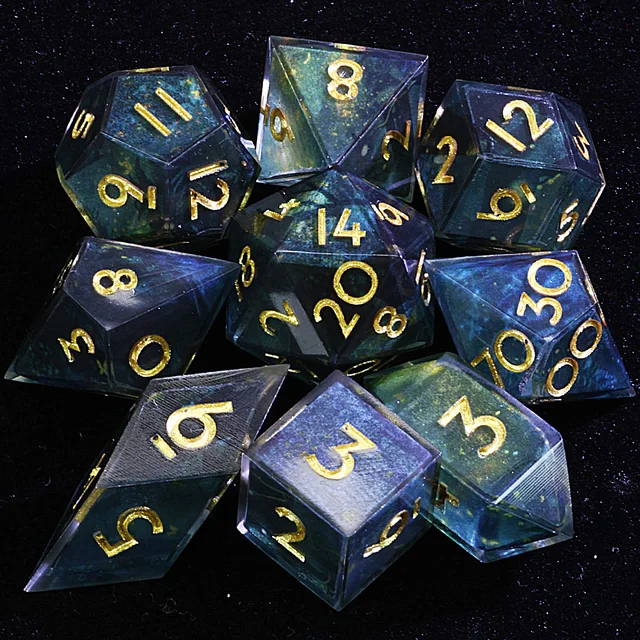
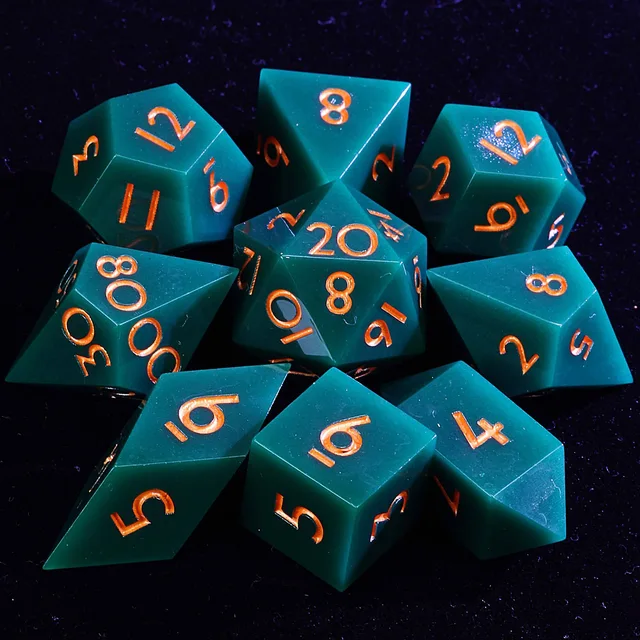
Build your Ranger in the 2024 character creator. A spare, distinct d6 makes it easier to separate the mark’s Force damage at a glance. You’ll find some sets below from the Ranger dice collection.
This guide includes material from the System Reference Document 5.2.1 by Wizards of the Coast LLC, available from the official SRD page. The SRD 5.2.1 is licensed under CC BY 4.0. Rules summaries are paraphrased.