
Your Fighter is standing in exactly the wrong place for a Fireball. A Wizard might ask them to move. A Sorcerer with the right trick can tell them to stay put. If you like having a favourite spell and finding a second, surprising use for it, the DND Sorcerer Class gives you a reason to learn that spell inside out.
This guide uses the 2024 Player’s Handbook. You’ll build a spell list you can actually remember, run through a turn with the dice on the table, and meet two Sorcerers you could bring to a level 1 campaign. If you’re choosing your first spellcaster, compare the Wizard’s spellbook and the full D&D class roundup.
Start with what your magic feels like
Where did your power first get you into trouble? A kitchen apprentice who extinguished every candle in the palace when she sneezed has an excellent reason to learn control. A travelling musician whose shadow keeps playing after the song ends has an audience problem. You can use either idea from the first session, even though the rules for your subclass arrive at level 3.
Charisma powers your spells. It also makes you a useful person to send to the front desk when the party needs a favour. Pick a skill that fits how you approach people. Persuasion suits the apprentice who has spent years talking her way out of ruined banquets. Deception suits the musician who insists the shadow is a perfectly ordinary stage effect. Ask the DM what a guard or innkeeper actually wants before you reach for the d20.
Your first Sorcerer level gives you proficiency in Constitution and Charisma saving throws, a d6 Hit Point Die and no armour training. Constitution helps you hold Concentration when you take damage. Dexterity helps determine your Armour Class and initiative. Start with a plan for getting out of reach. A doorway beside a solid wall can be worth more than another damage spell if archers have a clear view of the room.
Give each spell a job
At level 1 you choose four Sorcerer cantrips and two level 1 spells. For a first character, pick a cantrip that attacks, a cantrip you can use in a quiet room, a defensive spell and a spell that does something your party otherwise struggles to do. Fire Bolt gives you a ranged attack. Mage Hand can retrieve a visible key from a high hook. Shield can turn a hit into a miss. Your remaining picks can say something about the person doing the casting.
On your Sorcerer character sheet, mark each spell with what you do at the table. Next to Fire Bolt, write “I roll to hit.” Next to Hold Person, write “Humanoid, Wisdom save, Concentration.” Two minutes with the official spell descriptions will save you a long pause when the DM announces the thing in the gatehouse is an Undead.
A prepared spell is one you have available. A slot pays for a casting. If you prepare Shield and Magic Missile and have two level 1 slots, you could cast either spell twice or each spell once. Cantrips use no slots. Always-prepared subclass spells expand your menu without using one of your ordinary prepared choices. You still need an appropriate slot to cast those spells unless a feature says otherwise.
Spend Innate Sorcery and Sorcery Points separately
Innate Sorcery starts at level 1. Activate it with a Bonus Action, then spend the next minute with Advantage on your Sorcerer spell attack rolls and a spell save DC one higher for your Sorcerer spells. You can activate it twice per Long Rest. A spell such as Scorching Ray calls for several attacks, so the Advantage applies to each ray. A creature resisting Fireball instead faces the higher DC. You don’t roll an attack for that spell.
From level 2, Sorcery Points pay for Metamagic and can also make slots. Start with two points at level 2. If you need a level 1 slot, making one costs two points and a Bonus Action. Turning an unspent slot back into points takes no action and gives one point per slot level, up to your pool’s limit. The exchange costs you something. With one level 1 slot and two points left, casting Shield from that slot keeps both points for the next encounter.
Choose two Metamagic options at level 2. Careful Spell is good for a party with several melee fighters. For one point, protect up to your Charisma modifier in creatures (at least one). Each automatically saves against your spell and takes no damage when a successful save normally halves it. Twinned Spell costs one point and raises the effective level of an eligible spell by one. Look for a spell whose higher-level casting adds another target. Hold Person qualifies. Fire Bolt doesn’t. Keep the Sorcerer feature table and Metamagic options near your sheet until your favourite combination feels familiar.
A worked turn at the flooded gatehouse
A level 5 Draconic Sorcerer with Charisma 18 sees three hostile creatures crowding the party’s Fighter. All four fit inside a 20-foot-radius sphere. The far side of the room holds a wooden cage full of rescued pigeons. Before choosing the centre of the blast, ask the DM to mark the cage. Careful Spell protects chosen creatures, and a Fireball can still ignite nearby flammable objects. Pick a point that leaves the cage outside.
- Use a Bonus Action to activate Innate Sorcery. Your usual save DC is 15, from 8 + 3 proficiency + 4 Charisma. The enemies face DC 16 this turn.
- Cast Fireball with your action and one level 3 slot. Spend one Sorcery Point on Careful Spell and choose the Fighter. They succeed on the save and take zero damage.
- Roll 8d6 once. If the total is 27, each enemy that fails its Dexterity save takes 27 Fire damage. An enemy that succeeds takes 13, before any relevant resistances. Mark off the slot, the point and one use of Innate Sorcery.
On the next round, check what survived. A single wounded target may only need a cantrip. You still have Innate Sorcery running, so your Fire Bolt gets Advantage if circumstances allow. Back at camp, tell the Fighter you saved the pigeons. They already know you saved them.
DND Sorcerer Class milestones worth planning for
- Level 3. Pick your subclass and gain access to level 2 spells. Ask whether a new spell opens up a new kind of scene. Misty Step lets you teleport across a gap you couldn’t jump.
- Level 5. Level 3 spells arrive. Sorcerous Restoration also lets you recover spent points at the end of a Short Rest once per Long Rest. The maximum is half your Sorcerer level, rounded down, so at level 5 you can recover up to two.
- Level 7. Sorcery Incarnate lets you apply up to two Metamagic options to one spell while Innate Sorcery is active. You can also spend two points to activate Innate Sorcery when both usual uses are gone.
- Levels 10 and 17. Add two Metamagic choices at each of these levels. Level 17 also brings level 9 spells. At level 20, an active Innate Sorcery lets you use one Metamagic option free on each of your turns.
Which Sorcerer subclass fits your table?
The 2024 Player’s Handbook offers four. Draconic Sorcery gives you tougher scales and extra Hit Points starting at level 3, plus dragon-themed spells. It suits someone who wants the freedom to stand near the action. Clockwork Sorcery rewards paying attention to other people’s turns. Restore Balance lets you spend your Reaction when a creature you can see within 60 feet is about to roll with Advantage or Disadvantage. You can bring that roll back to a single d20.
Aberrant Sorcery suits a player who enjoys telepathic conversations and psychic magic. Decide with a willing party member what your mental voice sounds like before the first infiltration. Wild Magic Sorcery gives chance a seat at the table. Ask the group how they feel about surprising magical effects in a crowded room. The publisher’s subclass comparison gives a useful overview of all four.
Two Sorcerer builds from level 1 to 5
Both DND Sorcerer Class builds use the standard array, single-class levels and 2024 backgrounds. Scores below already include their background increases. The character creation walkthrough explains where to enter them. The spells listed are suggestions you can take as you reach each level.
The Lantern Dancer, a Draconic fire specialist
Play a Dragonborn Entertainer whose opening act is a ribbon of light winding around a stage lantern. Start with Strength 8, Dexterity 15, Constitution 13, Intelligence 10, Wisdom 12 and Charisma 17. The Entertainer background adds 1 Dexterity and 2 Charisma and supplies Musician. Pick Arcana and Persuasion as class skills. Your stage performance can earn the party a conversation before your magic has to earn it a way out.
At level 1 take Fire Bolt, Ray of Frost, Mage Hand and Minor Illusion as cantrips, with Shield and Magic Missile as spells. At level 2 add Feather Fall and Disguise Self. Take Careful Spell for crowded rooms and Transmuted Spell for enemies that shrug off Fire damage. Each costs one point. Normally you choose one of the two for a particular casting.
At level 3 take Draconic Sorcery, Scorching Ray and Misty Step. Your unarmoured AC becomes 15 from 10 + 2 Dexterity + 3 Charisma. At level 4, use Ability Score Improvement for +1 Dexterity and +1 Charisma. AC rises to 17. Add Web and the Prestidigitation cantrip. At level 5 choose Fireball and Counterspell. You now have the gatehouse routine plus several answers for a fireproof enemy. At level 6 you can choose Fire for Elemental Affinity if you want to specialise further.
The Tollkeeper, a Clockwork negotiator
Play a Halfling Merchant who always knows which side of a bargain is getting the worse deal. Start with Strength 8, Dexterity 14, Constitution 14, Intelligence 10, Wisdom 12 and Charisma 17. The Merchant background adds 1 Constitution and 2 Charisma, with Lucky as its Origin feat. Take Insight and Arcana as class skills. Merchant already gives you Persuasion. Ask to examine the coin, seal or contract whenever a negotiation sounds too straightforward.
Start with Ray of Frost, Light, Mage Hand and Message, plus Mage Armor and Shield. At level 2 add Magic Missile and Feather Fall. Choose Twinned Spell for multi-target control and Subtle Spell for discreet casting. At level 3 take Clockwork Sorcery, Hold Person and Invisibility. A level 2 slot and one point can hold two visible Humanoids within range if each fails its save. You maintain one Concentration spell for both targets.
At level 4 choose War Caster, raise Charisma to 18, and add Misty Step and the Minor Illusion cantrip. At level 5 take Hypnotic Pattern and Fly. Both need Concentration. Before casting, tell the party which effect you’re committing to and who should keep the nearest threat away from you. You get one Reaction until your next turn starts, so using Restore Balance to help a friend leaves Shield unavailable for that interval.
Three mistakes you can catch before you spend a slot
First, check the target. The armoured figure running the customs desk might be a Construct, which puts it outside the reach of Hold Person. Second, check the components. Even Subtle Spell requires a material with a listed price or one the spell consumes. A Draconic Sorcerer with Chromatic Orb always prepared still needs its diamond worth at least 50 GP. Finally, ask what happens next round. Casting Fly while you’re holding enemies in a Web drops the web immediately. Warn the person standing by the exit.
Frequently asked questions about playing a Sorcerer
Can Quickened Spell let me cast Fireball twice?
No. Quickened Spell costs two points and moves a spell’s casting time from an action to a Bonus Action. Its own rule prevents using it after a level 1+ spell that turn, and prevents casting another level 1+ spell on that turn afterwards. A quickened Fireball followed by the Fire Bolt cantrip works. If you already spent your Bonus Action activating Innate Sorcery, Quickened Spell has to wait. See the 2024 casting rules.
Can Twinned Spell give me two Haste targets?
The 2024 version works only when a spell can add a target through higher-level casting. Haste has no such option. Look at Hold Person or Invisibility for spells that do qualify. One failed Concentration save still ends the entire spell, regardless of how many people it affects.
Do I prepare a different spell list after a Long Rest?
Your Sorcerer selections carry over from day to day. When you gain a Sorcerer level you may replace one ordinary prepared spell with another eligible Sorcerer spell. Always-prepared subclass spells stay with you. If a pick never leaves the sheet, put a pencil mark beside it so you’ll remember which spell to reconsider next level.
Does Innate Sorcery require Concentration?
No. You can activate it while maintaining Web or another Concentration spell. Damage can still force the usual Constitution saving throw to keep the spell going. Starting a second Concentration spell ends the first, even while Innate Sorcery is active.
What should I change for a 2014 game?
The original Sorcerer chose a subclass at level 1 and first gained Metamagic at level 3. Its Twinned Spell used different eligibility and costs. Innate Sorcery and the level 5 Short Rest recovery belong to the revised class. Start with the 2014 class rules and the 2014 character creator if that’s the sheet your DM expects. For a multiclass example using that older chassis, see the Sorlock in the 2014 build comparison.
Pack for your first session
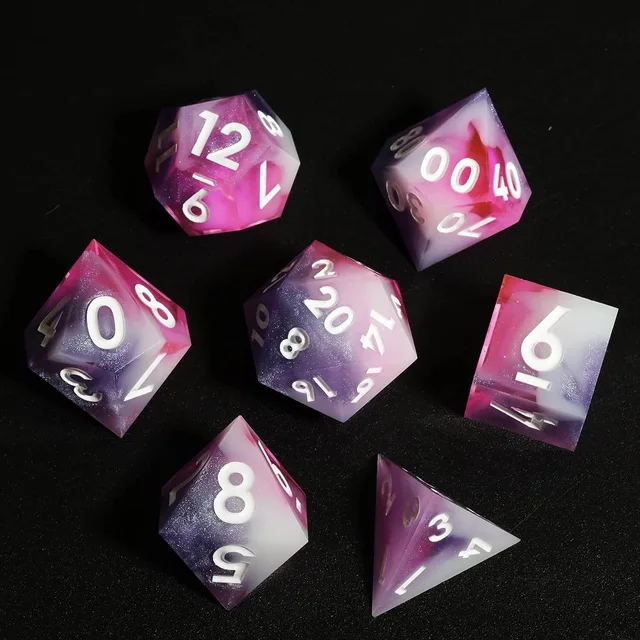
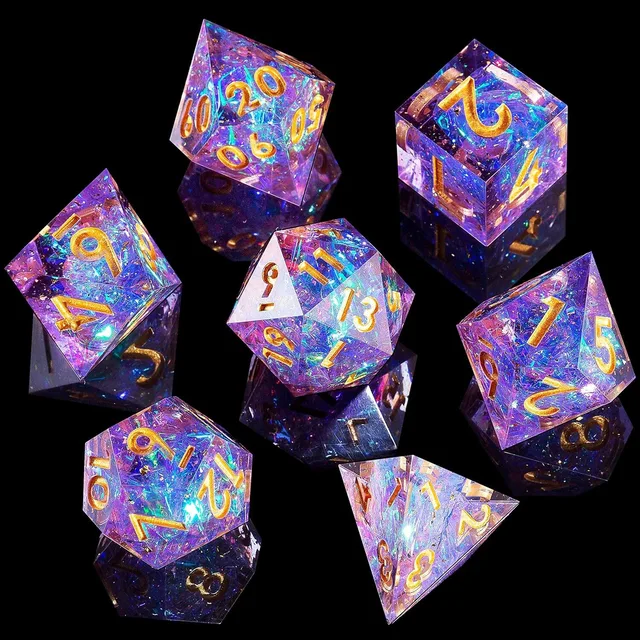
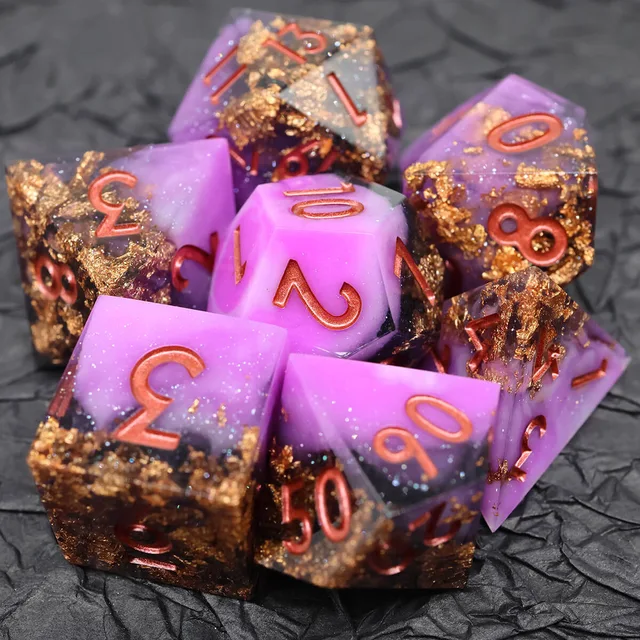
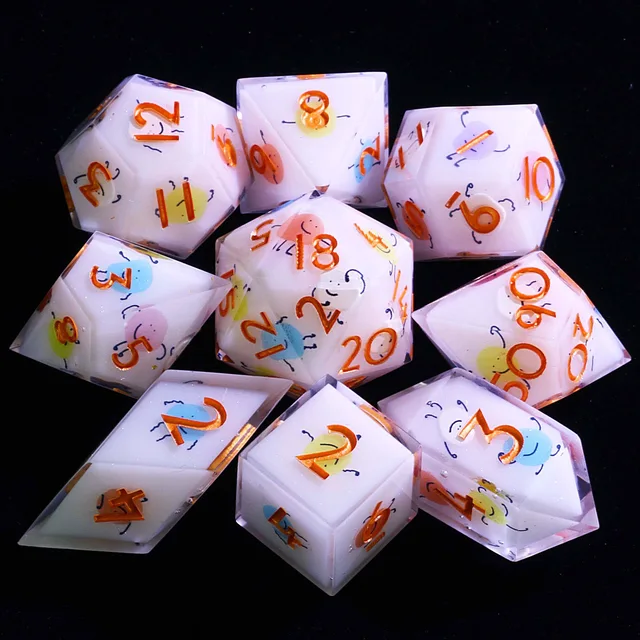
Finish your DND Sorcerer Class sheet by writing your usual save DC beside your Innate Sorcery DC. Give your points and slots separate boxes. Circle your Concentration spells, underline one cantrip you can reach for when tired, and tell the player beside you whether it’s safe to stay in your Fireball. You can fill in the rest with the 2024 character creator and browse the Sorcerer dice collection below.
This guide includes material from the System Reference Document 5.2.1 by Wizards of the Coast LLC, available from the official SRD page. The SRD 5.2.1 is licensed under CC BY 4.0. Rules summaries are paraphrased.